I first heart about this book in 2018 or 2019, but I don’t think I was ready for it back then.
Firstly I was re-finding my footing as an artist. I was definitely more into sci-fi tech than dystopian. And I was also much younger (…with age comes wisdom!)
But this book is spectacular. And the themes of this book (namely: pandemic and dismantling of society) are right on point of the 2020-2022 years.

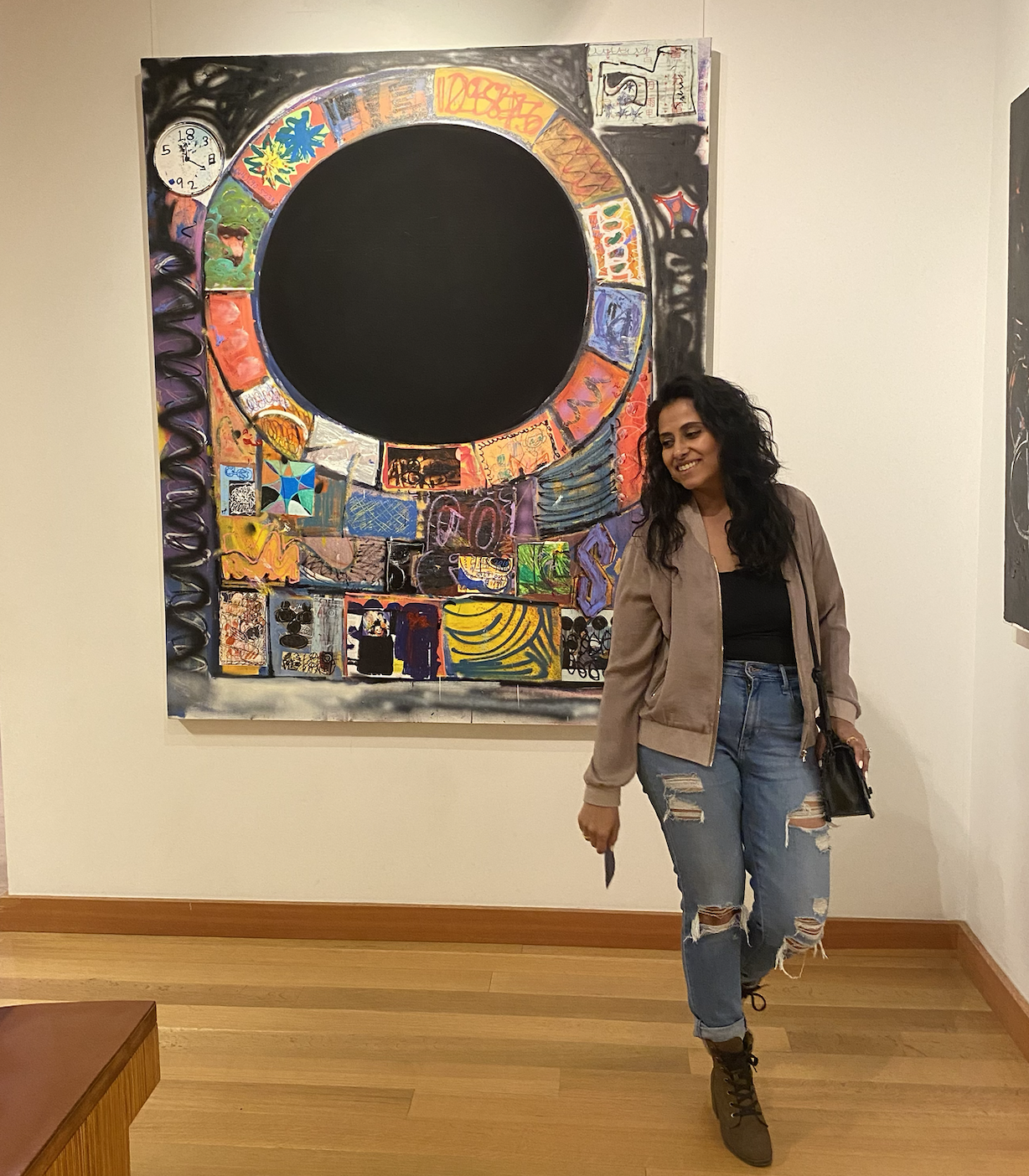
This book (for me) was a beautiful intertwining of some important ideas in my life right now: art, family, human interaction, humanity and even how the brain works.
Station Eleven by Emily St. John Mandel is a hauntingly poetic view of humanity’s resilience in the face of collapse. The novel captures the lives of several characters before and after the world as we know it ends. At its heart, the story is a meditation on what it means to survive—not just physically, but emotionally and culturally. Station Eleven is focused on the power of art and the fragility of life and socio-economic norms while urging us to reflect on what truly matters.
As always (and because I’m a girl who loves a good quote) sharing some of the quotes that I dogeared in the paperback:
- and these collection of petty jealousies, neuroses, undiagnosed PTSD cases, and simmering resentments lived together, travelled together, performed together 365 days of the year. But what made it bearable were the friendships, of course, the camaraderie and the music and the Shakespeare, the moments of transcendent beauty and joy when it didn’t matter who’d used the last of the rosing in their bow or anyone slept with.
- There had always been a massive delicate infrastructure of people, all of them working unnoticed around us, and when people stopped going to work, the entire operation ground to a halt. No more trains running under the surface of cities on the dazzling power of the electric third rail. No more cities. No more films, except rarely, except witlessly, except for the handful of people who happened to have a generator and a collection of DVDs. No more flight. No more towns glimpsed from the sky through airplane windows, points of glimmering light. No more internet. No more social media, no more scrolling through litanies of dreams and nervous hopes and photographs of lunches, cries for help and expressions of contentment and relationship-status updates with heart icons whole or broken, plans to meet up later. No more reading and commenting on the lives of others, and in so doing, feeling slightly less alone in the room. No more avatars.
- What was lost in the collapse: almost everything, almost everyone but there is still such beauty.
- “What do you plan to do with it once it’s done?” “Surely you’ll try to publish it?” [the beautiful response] “it’s the work itself that is important to me” [in agreement] “I think that is so great, its like the point is that exists in the world” [in retaliation] “what’s the point of doing all that work” [in response] “It makes me happy, it’s peaceful, spending hours working on it. It doesnt really matter to me if anyone sees it”
- What do you live for? Truth and beauty.
- Hell is the absence of people you long for
- He getting trapped by iPhone zombies. People half his age, who wandered in a dream with their eyes fixed on their screen. He jostled into them on purpose.
- You probably encounter people like him all the time – high functioning sleepwalkers. …People like him think work is supposed to drudgery punctuated by very occasional moments of happienss, but when I say happiness I mostly mean distractions. …He realized now that he too had bee half-sleep throught hte motions of his life, not specifically unhappy but when was the last time he found joy in his work. He wish he could go back to the iphone people he had jostled and appolgoize to them. I’m as minimally present in this world as you are.
- FIrst we want to be seen, but once we’re seen that’s not enough anymore. After that, we want to be remembered.
- Why did we always say we were going to shoot emails? I used to write THX, would it have taken too much time and effort to punch in an extra three letters and just say thanks!
- In Shakespeare time, the wonders of technology were still ahead, not behind & far less had been lost.