Self Concept, Self Esteem & Self Confidence

Back in the cave person days, the humans focused only on survival. This meant having safe shelter at night, food to eat and not being attacked by a predator. Back than, the cave person’s brain focused on conserving energy and avoiding risks. Which means, our ancestors got a dopamine hit every time they were or felt safe.

The modern human brain is evolved, but the reward driven dopamine requirement is still in there. Also the speed of reward timing has changed. For most of the population on earth finding shelter and food is much easier now then it was back then. So we’ve adapted to finding new ways to get that dopamine hit – enter manifestation, the pursuit of goals and just having control over the chaos.

Our current society is little broken. We lack a sense of identity or tie it the wrong places (e.g. career, marriage or something else outside of ourselves). With the re-emergence of the idea of the “self concept” (thanks for social media which has amplified it) by adjusting our own understanding of who we are (or our self concept) we can quickly achieve anything we want.
Although the speed at which we can attain these goals can vary, I do believe that having a strong self concept can help us achieve goals, raise our vibrations and improve our brain’s neuron pathways for change and plasticity.

First let’s start with some definitions.

Self Concept is the belief and underlying image you have of yourself. It can initially be separate from your emotions or feelings but when it is enhanced by your underlying emotions – it is usually enhanced and can be ferociously strong and therefore something you strongly desire to attain. Self Concept can operate in your current 3D and can be used as a tool to attract a desirable state that you do not currently see in your 3D. (meaning Self Concept can be tuned beyond your current reality)

Self Image is literally how you see yourself in the 3D. This means self image is more about your current self, roles, characteristics and even how you look. Self image is shaped by your lived experience, memories and feedback – but its really how you think people view you.

Self Esteem is the emotional weight you have on your self image. Self esteem is often tied to how worthy you believe you are, or even how much respect you have for yourself. Self esteem is based on your internal standards and emotional responses – which means self esteem can be diminished based on how we judge ourselves but it’s helps us understand how we feel about ourselves.

Having an understanding about these are important because self-concept is the one that can be changed and repositioned to help manifest our goals. Neville Goddard spoke about this a lot in his work – specically about the “Law of Assumption”. And there are 3 main ways you can transform your self concept.

  1. Identify it
  2. Assume it is true
  3. Live from the end

Whether it’s affirmations, mirror talk, future self journaling/gratitude lists, embodying and living as that manifestation. Although I do most of these, I do feel that embodying the self concept I’m striving for is the most efficient way to achieve your desires. You aren’t necessarily waiting for something to happen, you are going out and making it happen in your current 3D.

Say you want to be an published author. Instead of thinking about it or trying to be inspired by reading about other authors – commit to behaving like one every day. Whether that’s writing one paragraph in your journal, typing 500 words from your outline or editing something you’ve written previously. Embodying the behaviours of an author or any goal you desire is the best way to improve your self concept and manifest your dreams.

Affirming it and be delusional about it happening (detaching from a the timing) is great but over sometimes we can get in our own head about things. A negative mindset hates a moving target, and our brains can’t tell the difference between a goal achieved and goal thought about – so might as well do both!


My Japan Trip Recap

Although I’ve undertaken a personal syllabus in Japanese wisdom over the years (such as shinrin-yoku, kaizen, etc) I never really thought about traveling to Japan.
Thankfully, my husband loves to explore and enjoys picking places to for us to adventure.

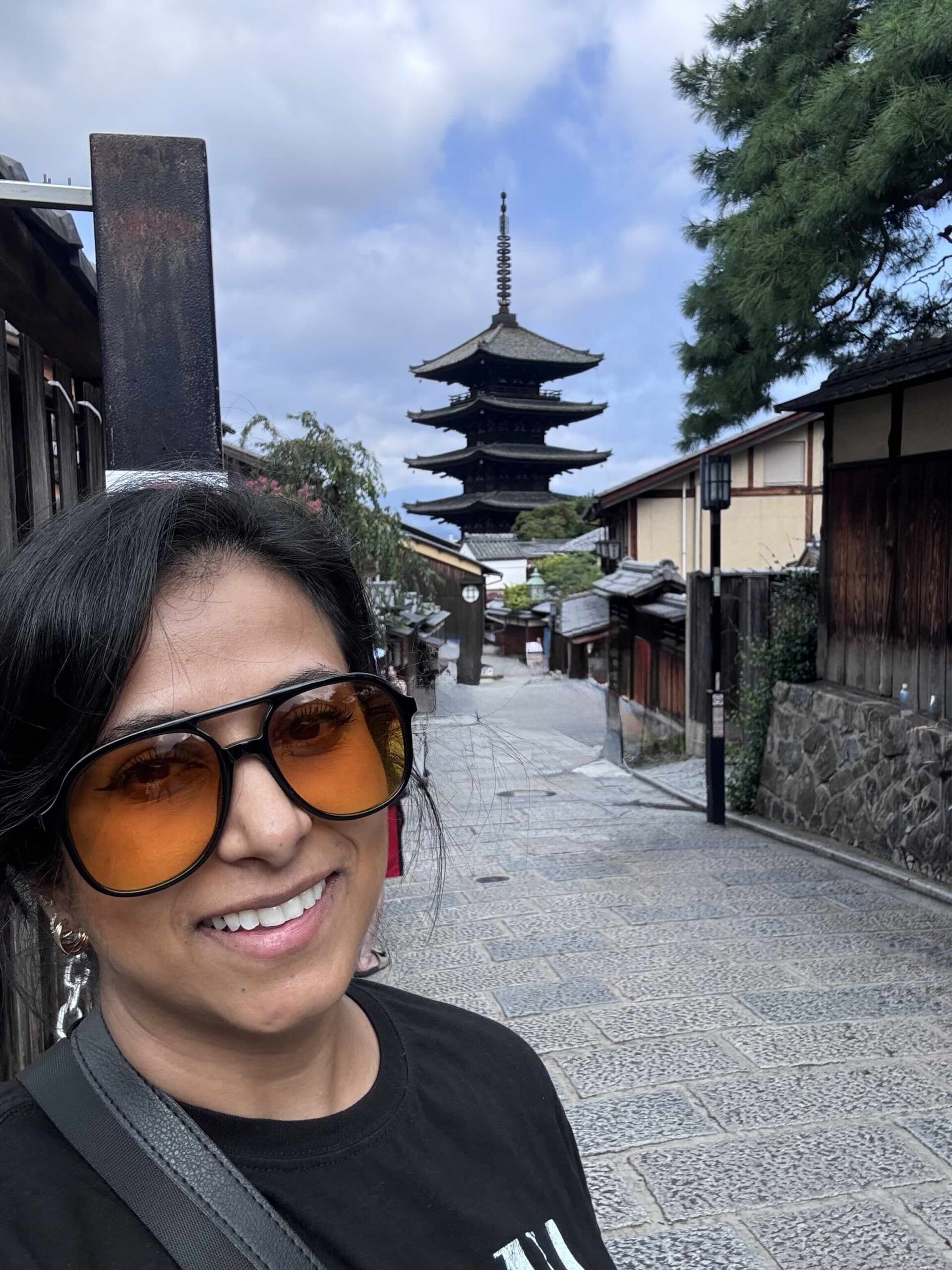
So in July, we spent 14 days in Japan, exploring Tokyo, Kyoto and Osaka with a day trip to Mt Fuji and Hakone. The natural beauty and cultural experiences were definitely worth seeing/experiencing. But more than that, it was the little moments in between for me where I was able to take note of the people, the country’s history and how the society operates.

Of course travel opens you up to new perspectives, which in the cas of Japan can also make you see how their rules create resolutions for many daily challenge – a few included below:

  • There are no trash cans in Japan. They were all removed after a chemical gas attack that was hidden in a subway garbage bag. This means everyone carries their trash around until they get home (or back to the hotel for tourists). Which in part, keeps the country extremely clean.
  • Group harmony is ingrained in everyone’s personal responsibility. People form single file lines, are extremely organized, everyone sits to eat (as opposed to walk and eat), being quiet in public transit is expected and everyone makes the effort not to cause inconvenience to other people
  • Everyone has a job and no job is beneath anyone
  • People do not point with one finger or hand money to people/cashier directly in their hand (but rather placed in a tray)
  • Shoes are removed and face coverings are worn in clothing retailer fitting rooms so products remain clean
  • Senior citizens are very independent and self reliant. The amount of times I saw hunched over elderly slowly making there way up and down stairs in the subway system was amazing
  • Laziness is considered a disease (to the point where I rarely saw public seating in malls or underground shopping areas)
  • The society operates to create efficiency and convenience for it’s people. Hotels have ammenities bars so minimal packing is required by guests, 7/11 uses data insights to restock it’s shelves and fridges with fresh food items including sushi, trains always on time to the second & take away food is packed so well that even food delivery arrives without any spills
  • And even though this is last on the list, indoor square footage is a hot commodity. Having a hotel room more than 31 square meters is not the norm – mainly because Japan is a very densely populated country

Ok hoping that provides some future Japan tourists with a little taste but now on to the sight seeing. Japan felt a little like a video game (think: Animal Crossing lol). You spend the day walking, seeing/buying/gachapon’ing beautiful things. You take in beautiful sights and get food points through out! With that said, if you are travelling with multiple family members (think: grandparents and their grand kiddos) – I would say these are the must sights to see:

  • Sky views: Shiodome Caretta, Umeda 360, Shibuya Scramble, Shibuya sky or any of the city towers
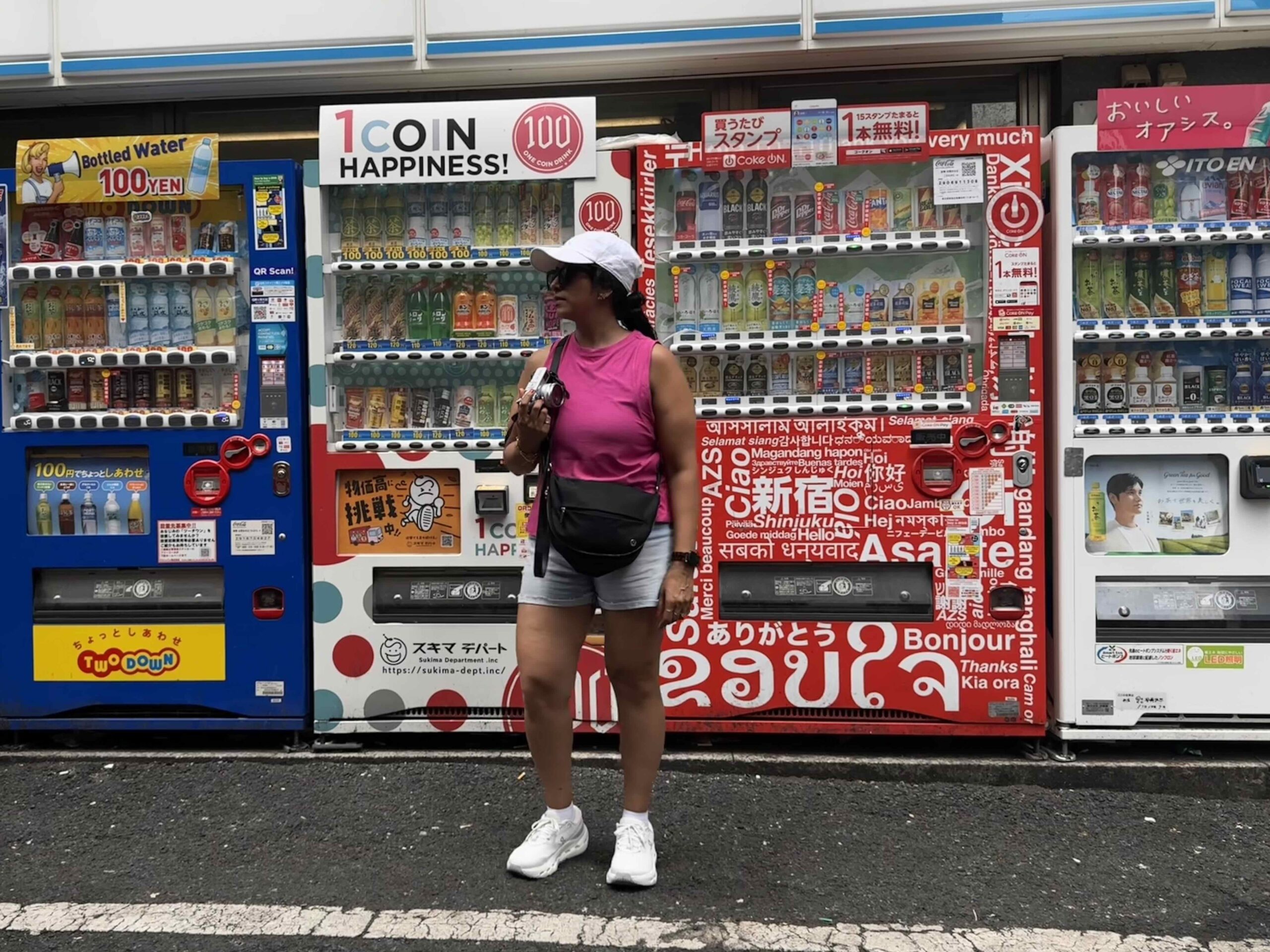
  • Snack runs a all the Konbinis (7/11, Family Mart, Lawson)
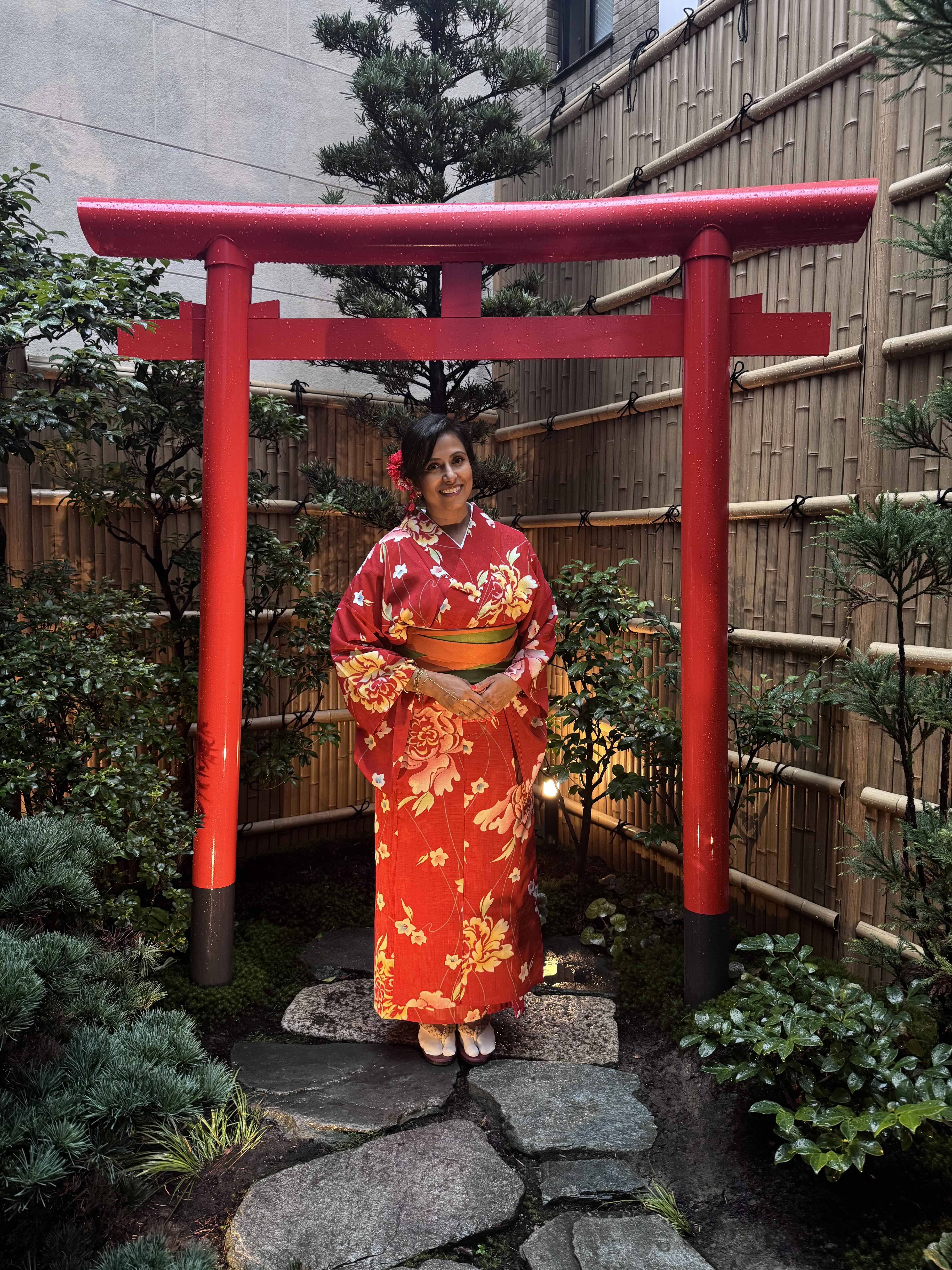
  • Cultural experience like chopstick carving, sushi making, Sumo fight, Japanese artist galleries or a Kimono/Samurai tea ceremony
  • Shrines (pick a few as there MANY!)
  • Interesting neighbourhoods in Tokyo: Shinjuku & Harajuku etc
  • Gashapon (but be careful it’s addictive)
  • Shopping (make a list but if anything you should definitely window shop)
  • Teamlabs
  • Station markets
  • Book a driver for the day and see if you can catch a glimpse of Fujisan
  • Food Markets
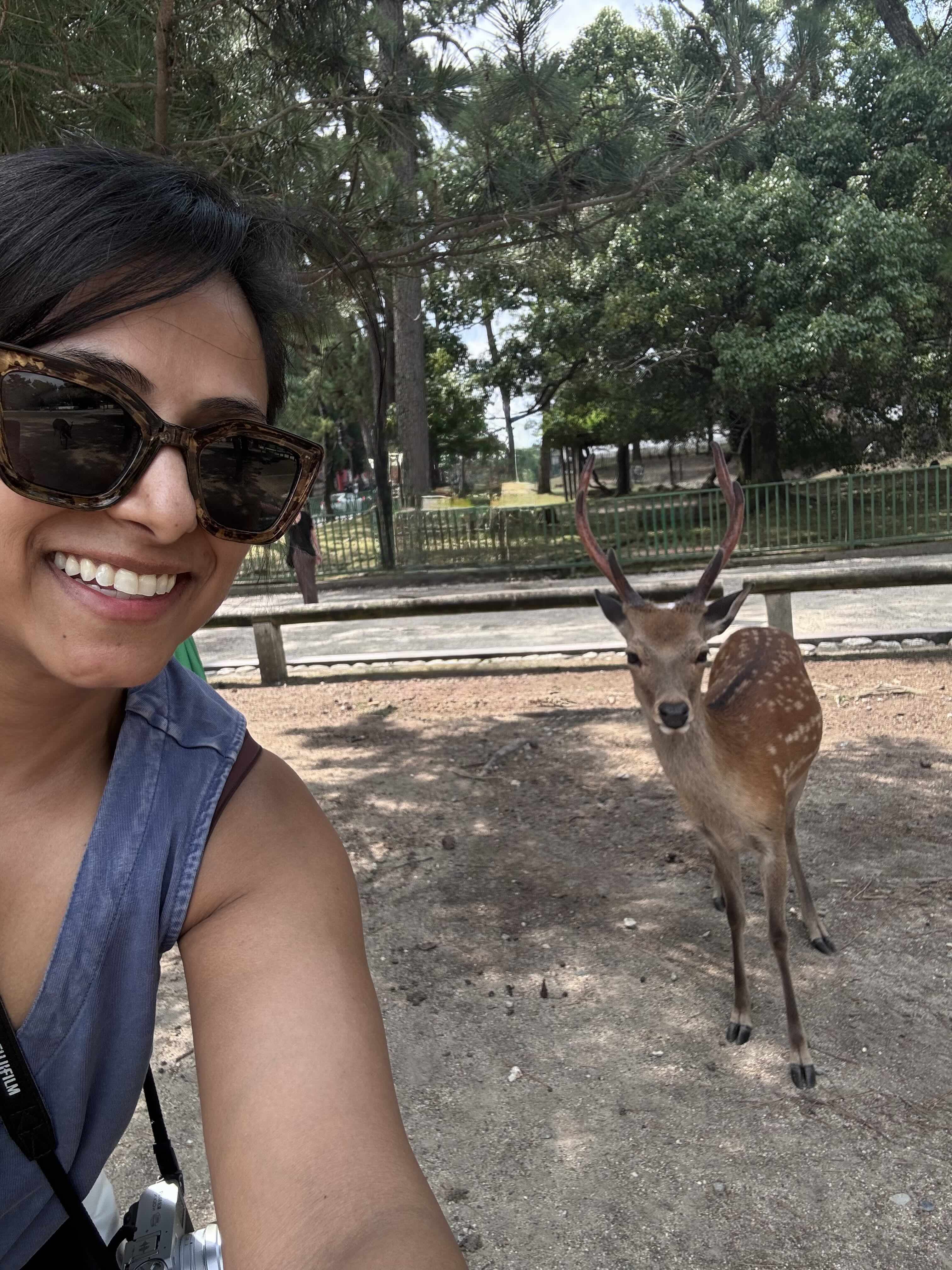
  • Day trip to Nara
  • Ride the bullet train
  • Castles & Palaces

Planning Japan was my hobby from 6-11pm in the evenings leading up to the trip. And because Japan is such a popular destination right now (thanks to TikTok) booking certain attractions require advance reservations (such as TeamLabs, Shibuya Sky etc).

Hoping this recap provides some inspiration and pro tips for your Japan Trip!

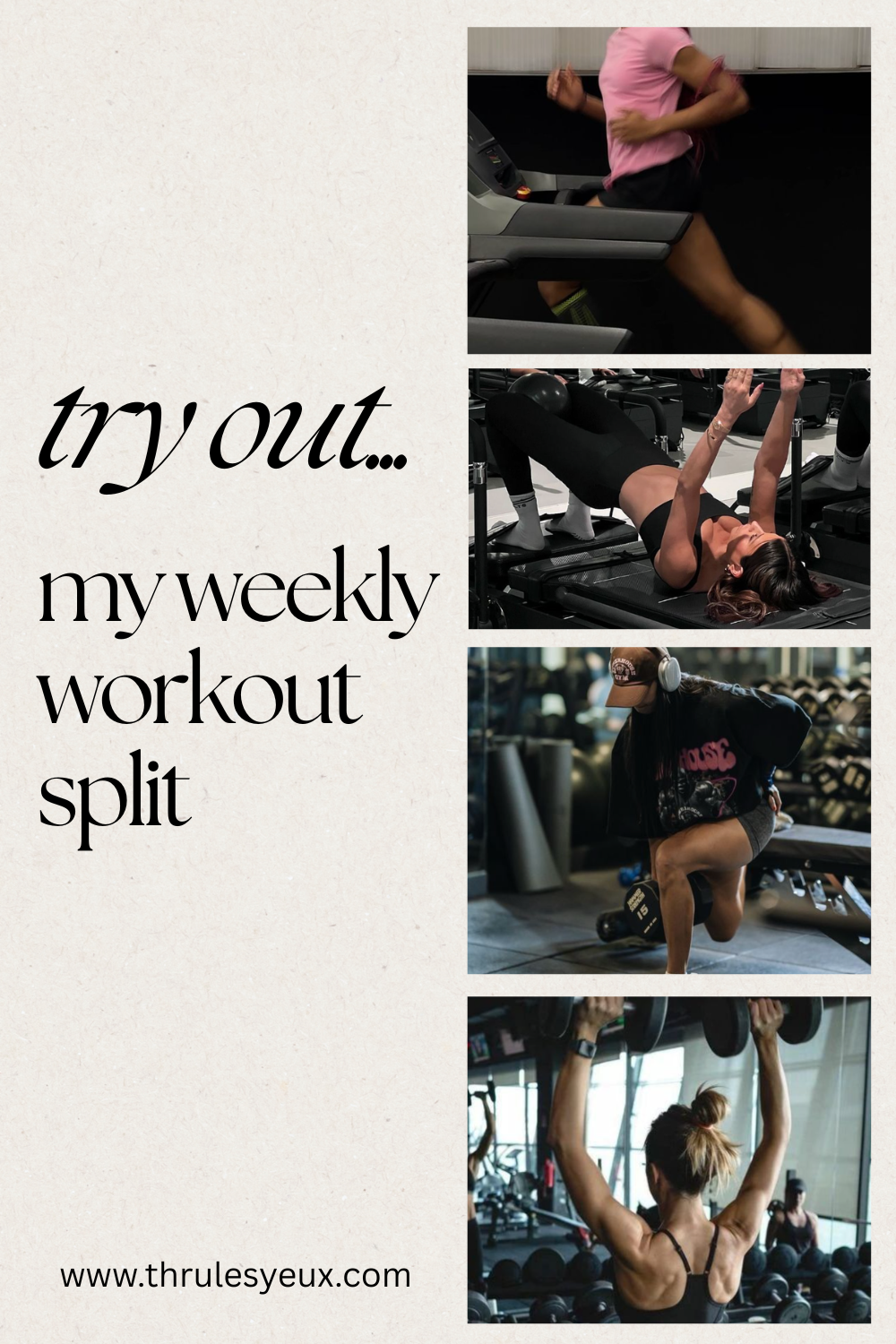
My Current Weekly Workout Split

A few years ago, I discovered the magic of the weekly workout split! It is both the freedom and discipline that I need in my life.

GymShark defines a workout split as a way to plan out your strength training workouts to make them more effective, enjoyable and time-efficient. It also helps you track progress (week over week), so you can take on more complex workouts or sets.

In 2018, I used the BBG program (well technically… just the workouts set up by day/week that I printed and put in a duotang after finding them on pinterest, wow sounds so bootleg) to bounce back* during my mat leave. (*there is no such thing as a “bounce back”, woman’s body is beautiful and self restorative, but I believe the bounce back was important for my mind).

I found that organizing workouts took the stress out of thinking about the exercise routines, but still offering me the flexibility to move workout days around or inserting active rest days as needed.

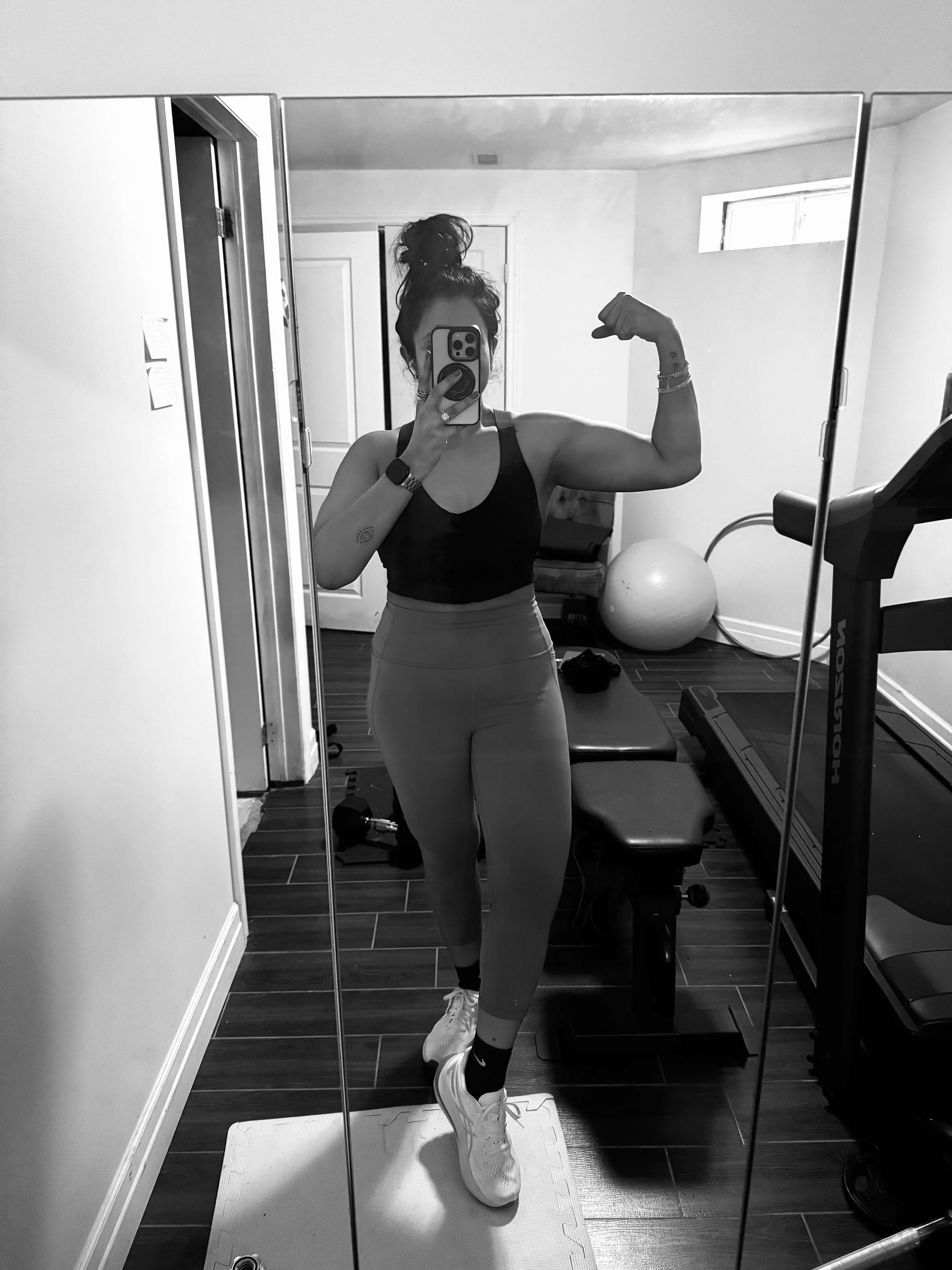
Although I haven’t done BBG in years, I still use the workout split concept to take the guess work out of my exercise routine. Sharing my current split below, hopefully this provides you some inspiration or something you can try yourself!

Monday: Run + Arms

Tuesday: Run

Wednesday: Lower body + Walk

Thursday: Reformer Pilates + Walk

Friday: Full body + Run

Saturday: Make up any missed workouts

Sunday: Make up missed Reformer Pilates

Along with meeting my step count goals, I also add mobility to every workout day (except pilates) and core and hip strength to 4 and 2 of my workout days respectively!

2025 Books Read in review

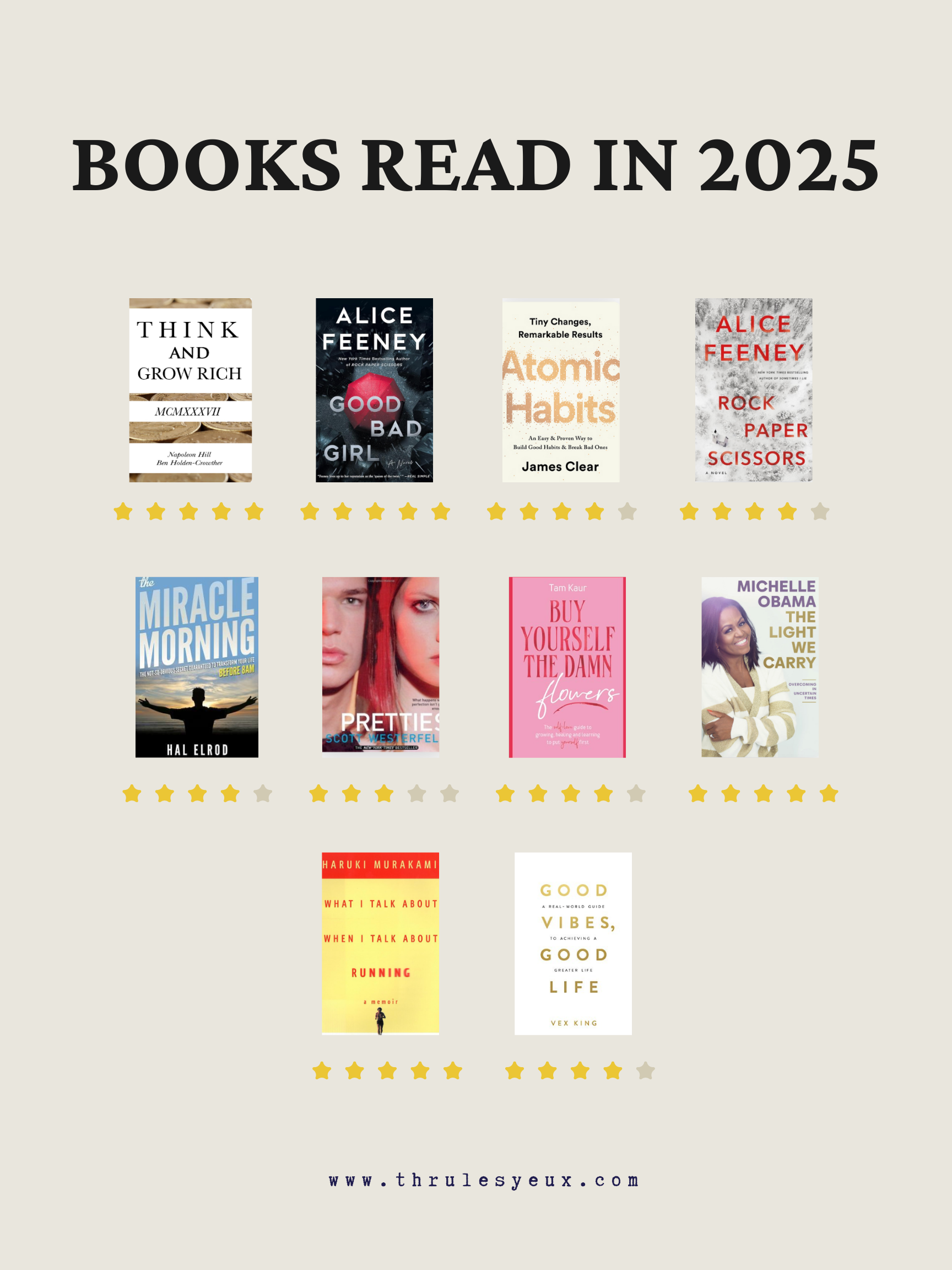
I recently finished reading my first book of 2026 (The Case Against Reality by Don Hoffman) and I thought it would be a great time to recap the books I read in 2025.

A few years ago, I made a personal goal to read at least 10 books a year. I know there are some people who can whip through books at the speed of light, but 10 books is a good number for me and makes it feel like a stretch without feeling like I’m less than.
Mainly because I don’t just read fiction. I like memoirs and personal development books. I like reading about psychology and other topics that generally require me to re-read pages because the content cannot be understood on a whim. Essentially if I’m reading a book that interests me I usually cannot habit stack (like not even listen to music) because I need to pay close attention to understand and follow the content.

When I do read fiction it’s usually dystopian sci-fi or about the human condition (growth, the meaning of life etc) and so also can be heavy / intensive.

So if these types of books interest you, here are the books I read in 2025. The only one I don’t recommend is “Pretties”. I had NO idea it was YA – and if I had I wouldnt have read it (I had watched the movies and liked it, but the book was definitely more YA rom-com than sci-fi.

The books I highly recommend are: The Miracle Morning, What I talk about when I talk about running and The light we carry. I found these books inspirational and touching!

Happy Reading!

Six tips on how to become a Renaissance Woman 

Oxford Online Dictionary* defines a Renaissance Woman “as a woman with many talents”.

And Britannica.com describes the Renaissance period to have been characterized by a surge of interest in learning, exploration, science (like the realization that the Earth revolved around the Sun) classical wisdom and arts.

And the arts really took center stage during the Renaissance due to the convergence of humanism and economic conditions that supported and encourage the progress of making art.

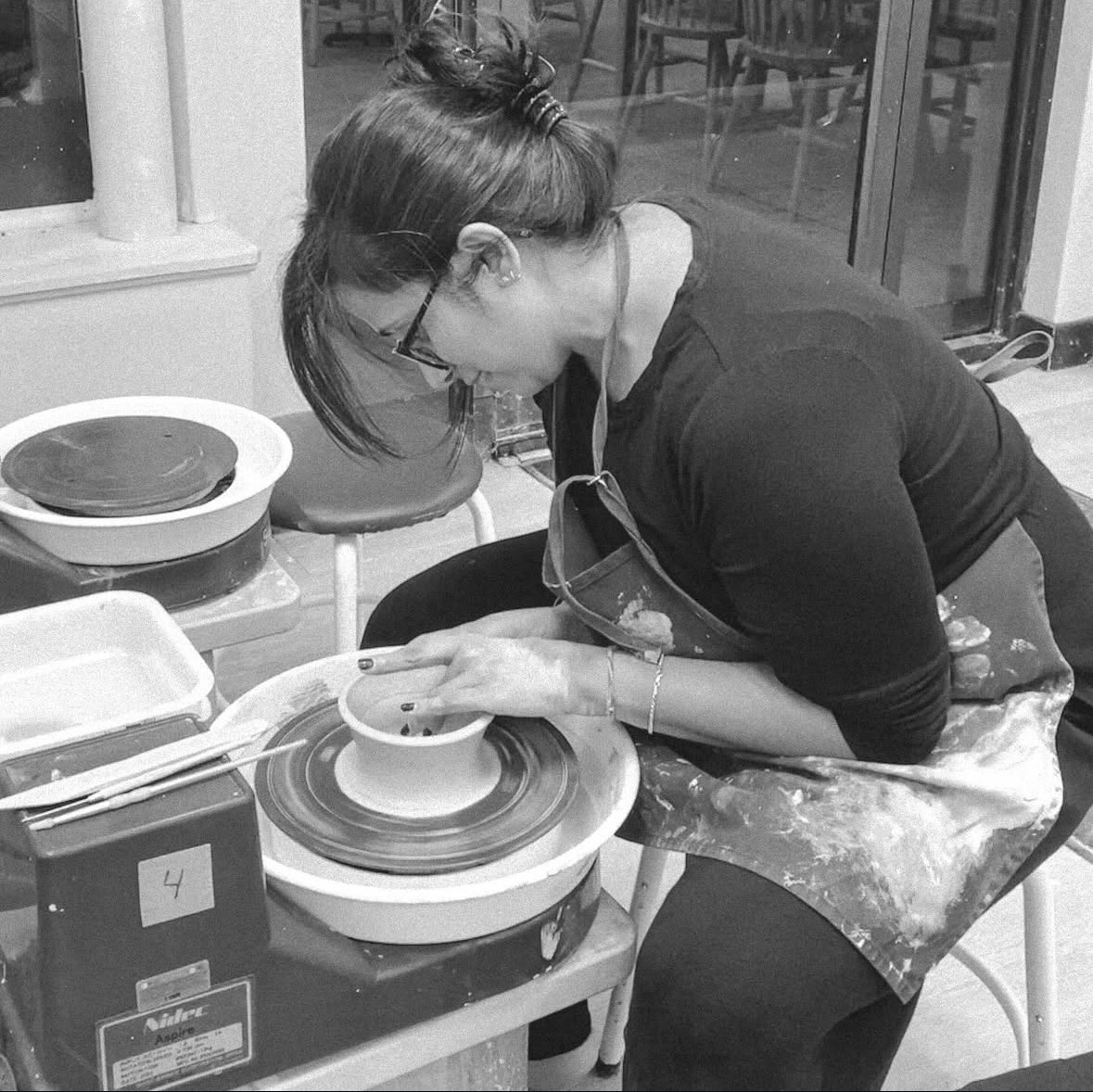
Something about Renaissance really speaks to me. I think its the “being able to enjoy one’s many interests” that I want to embody. As generalist, in a professional setting and a multi-passionate in my personal life, I inherently gravitate to the idea of enjoying as many hobbies & passions as possible.

That can be curse and a blessing. A blessing because you get to pursue everything that you feel is beautiful in life, a curse because you may never feel fulfilled.

So here are a few tips that I use to continue to balance all of my interests (be a modern Renaissance Woman if you will) while actually being present in my life!

  1. Make a list of all of your interests, Blue sky thinking is the key here, then prioritize ruthlessly. Figure out what you actually want to do sooner rather than later. Keep this list hand
  2. Taking your highest priority interests and schedule them as activities (in your Google calendar, planner, outlook etc) during the week/month/year or seasons. This way, you can prioritize your high value activities, create repetition – which in turn improves progress towards your interest. Actually scheduling time and by finding small pockets in your calendar to pursue your interests can really show the balance and helps move things forward. As an example, I have specific times of the week that I will work on blog content, go to pilates or use my duolingo app to learn a language.
  3. Make some interests a habit, I used a Habit tracker app to track that I make time to paint 3 times a week, do my skin care daily and even read 10 pages.
  4. Of the un-prioritized interests, be ready to defer to the future! This means some interests may not be pursued in the coming month or other timeframe you are expecting. This is a character building choice, which although allows time for obligatory activities or responsibilities, and helps you learn to give yourself grace.
  5. If a particular obligation or responsibility cannot be avoided – master it! (e.g. cooking or doing activities in your business/career that you don’t particularly appreciate or enjoy). For me, that’s cleaning – but knowing how to clean (instead of outsourcing it or ignoring the cleaning) is important for my kids to see what an all rounded woman is.
  6. Do not allow yourself to become creatively jealous. With short form content all around us, this will require you to have discipline not to doom scroll YouTube shorts or Instagram reels).
    Remember what you see here is just a highlight reel and what may seem like a quick victory is actually years of mastery. Instead focus on your own goals and interests, and if you do want to watch the content – be inspired by it!

Embodying your Best Self – Chapter 1: Get out of a slump!

Happy New Year! I had a restful and refreshing few days and now I’m stoked to get back to routine. I definitely love being able to enjoy the holidays with friends and family, doing festive activities and enjoying all the food and drink. But I’d be lying if I said I didn’t crave my regular schedule! So, to get me get back on the right trajectory and help set me up for 2026 (aka making my big dreams happen) – I’m starting a new series on my blog called “Embodying my BEST SELF” a quick no fuss guide to help me (or anyone actually) get back to good habits, productivity and taking action towards on my goals. So let’s get into it!

Chasing your dreams, embodying the energy of your future self or just down right being productive can cause the best of us to get into a slump.

The first steps in getting out of a slump is realizing that you are in a slump. But a close second is realizing that the slump is usually based on your emotions/feelings based on your surroundings.

Your surroundings can be inclusive of your actual physical surroundings (think your house, your office space) but also your mental surroundings (like the type of people you are around, the content your are consuming or even how you are spending your time).

In any case, I like to think of a slump as the “valley” of our journey to our best self. And learning how to bounce back is just an opportunity to practice resiliency! Here are my top ways to bounce back from a slump.

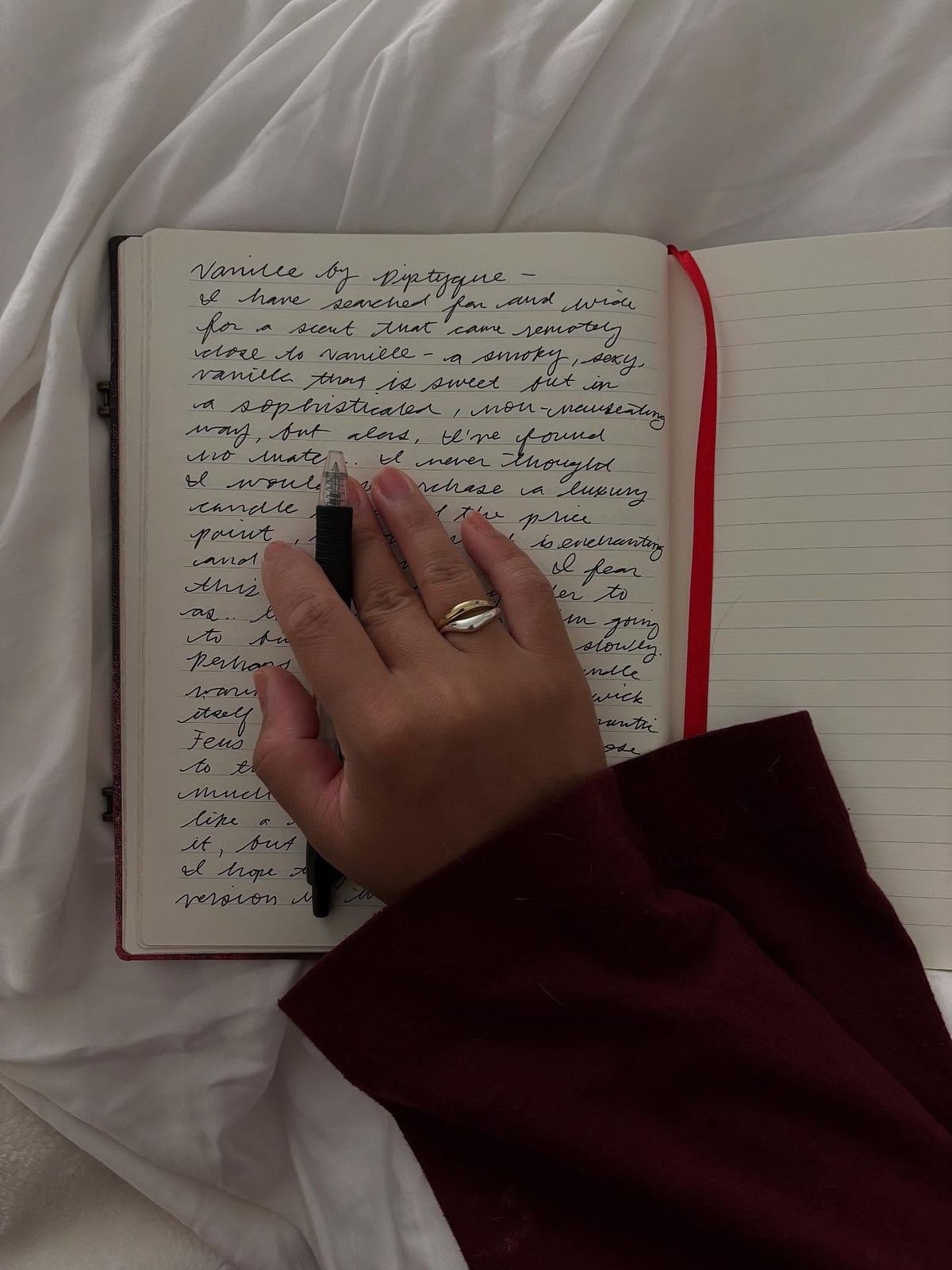
  1. Journal: I have been and will aways be a champion of journaling. Kidlin’s Law states: If you can write down a problem clearly, you’ve already solved half of it. So writing your thoughts, emotions and feelings down when you feel like you are in a slump, can help you further identify the slump inducing activities or factors. (The preference here being actually using a pen and paper as a oppose to typing it on a computer or your phone). Some ways that I love to journal: Brain dump (which is really just writing EVERY THOUGHT in your head on paper), create a list of things I want to do/a list of things I want to accomplish, things you are thankful for in spite of being in a slump, write all the ideas you have or even a dear diary on the last couple of days/weeks/months.
  1. Fix your environment: As mentioned above – the environment you are in can really have an effect on our feelings. So tidying up, organizing and clearing space is the first way to boost your mood and will also give you a sense of control. (Which is important when you feel like everything is spiralling). For me a deep clean up and organizing of my desk helps to make me to feel less out of sorts. But if you are short on time, may be consider setting a timer and picking up your room or a particular room in your house. And where possible, I would even extend this to tiding your digital spaces. For me that looks like cleaning up my following list on socials, archiving boards on Pinterest or organizing and deleting pictures on my phone.
  2. Sort your task list: Hopefully, with #1, you have a list of things you want to do (but if not thats in place… you should definitely start there). The important part is to prioritize that list: It’s either “must do now, should do soon, schedule for later” or my personal favourite “things I can do” vs “things I can’t”. Then take the highest priority items (such as: what must be done now or things I can do) and decide what can be done in a short time frame, preferably a 5-15 min time block. Then get it done! The whole point is to take action on the list in a meaningful way. To illustrate this with an example, say you want to practice writing more, a 5 min time blocked activity to take action on this is write a list of milestones you want to work towards (e.g. create content online, start blogging or do restaurant reviews).
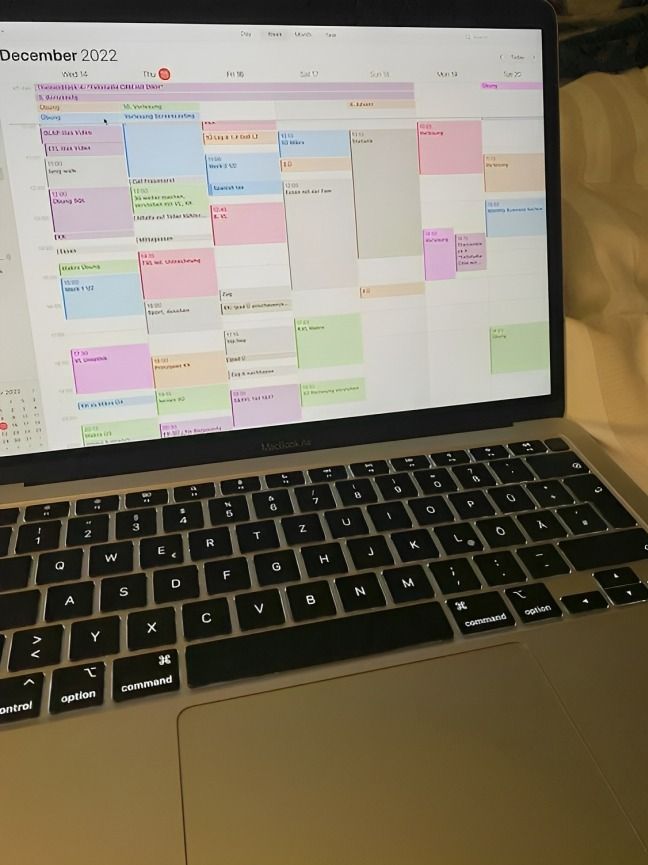
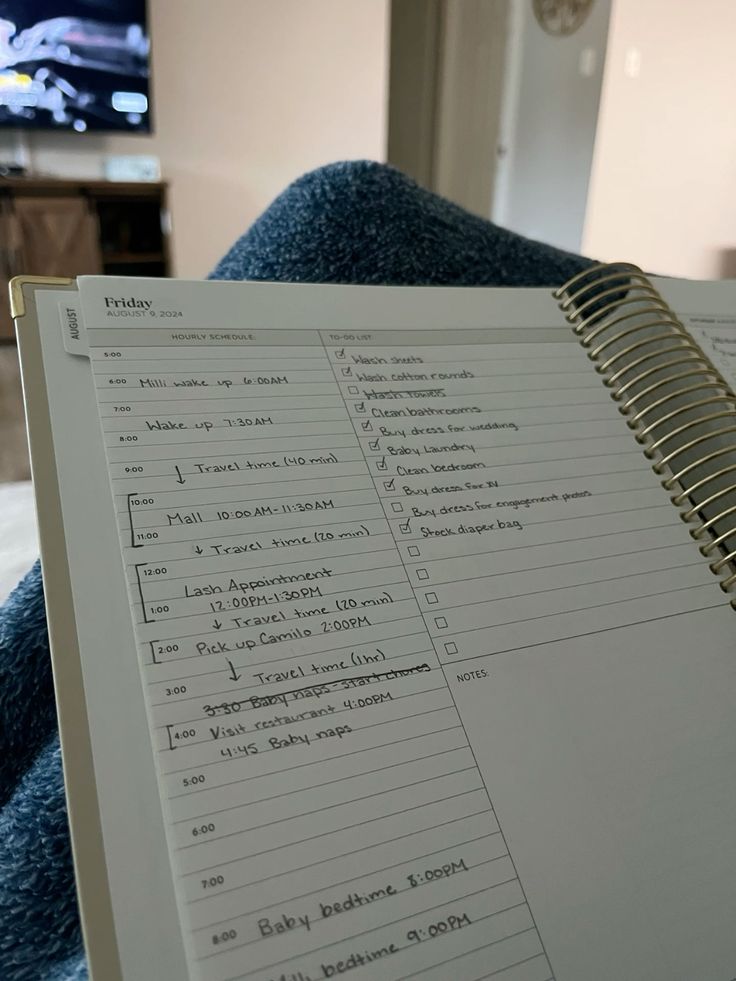
  3. Create an updated routine: You must have heard the saying “a goal without a plan is just a wish” by Antoine de Saint-Exupery! I mean I love wishing, but I also love the dopamine effect of getting stuff done! It could be small wins or big calendar switches in your routine. So continuing with the goal of “writing more content online”. That’s a great start, but adding a little more thought behind it can really move it from a wish to an actionable plan. Something I’ve started doing is being ruthless with my calendar. I am getting to the point where if something isn’t in my calendar – it’s not getting done!! (Well within reason, I’m not a robot). But here is an easy to follow example on how to use this process:
    So think of 3-5 activities that you can schedule into your calendar this week or month that can help you achieve it. So with the goal of writing content online you could plan in your calendar: open a substack or medium account, create a back list of content ideas for the month, publish an article once a week. Then you would add time blocks in your calendar to help you stay on track.
  • Monday could include a 45 min time block to open an account and set up your profile.
  • Tuesday you could spend 1 hour writing
  • Wednesday you could block some time to finish writing and then edit
  • Thursday you could create imagery (or use some Pinterest) to add visuals to your written content
  • Friday you could publish!
  • Saturday you could create a backlog of 3-4 more posts
  • Sunday you could plan your week again

And there you have it! 4 actionable steps to help you get out of a slump! Hoping this resonates! Do you have any tried and true ways to get out of a slump! I would love to hear it :)