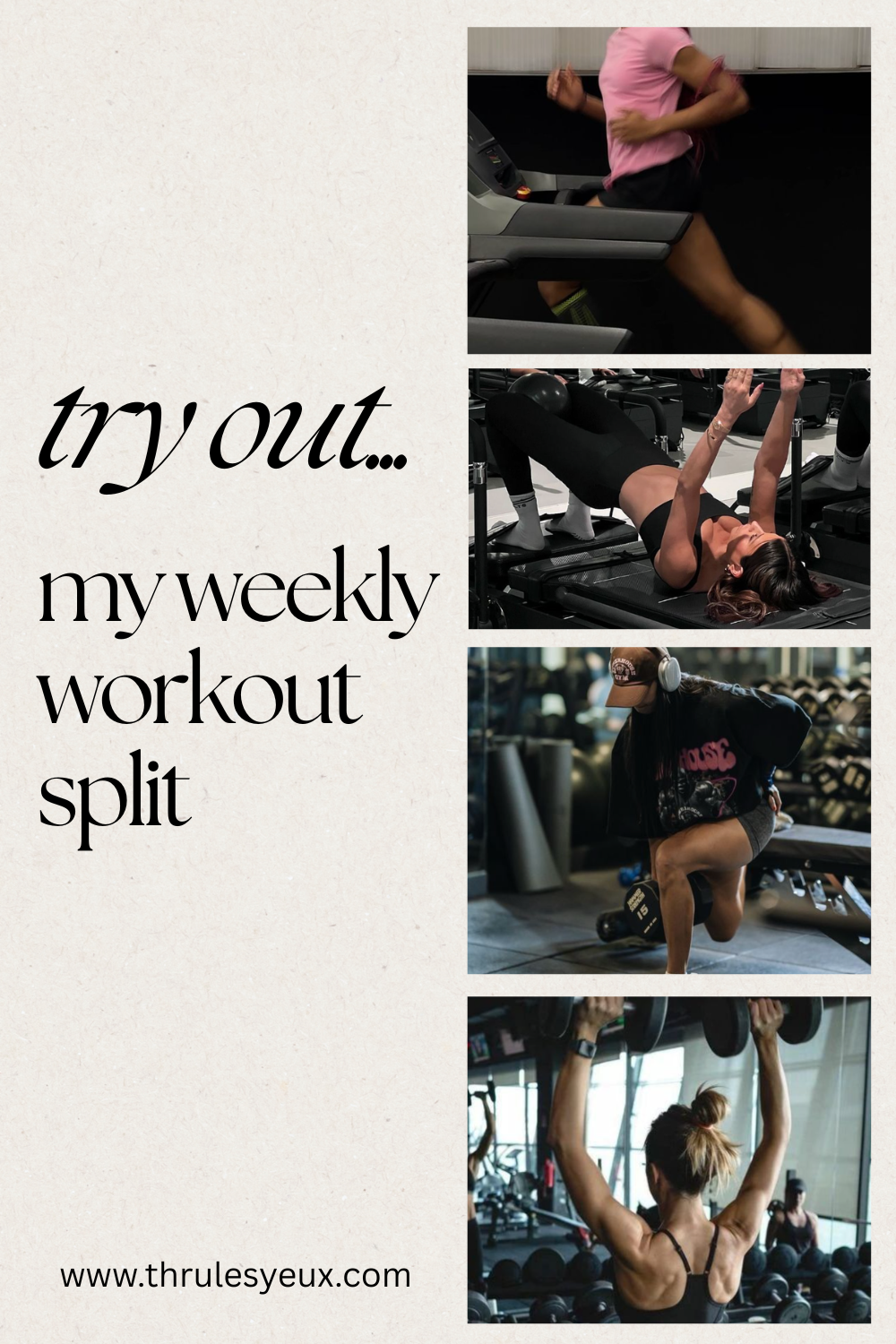
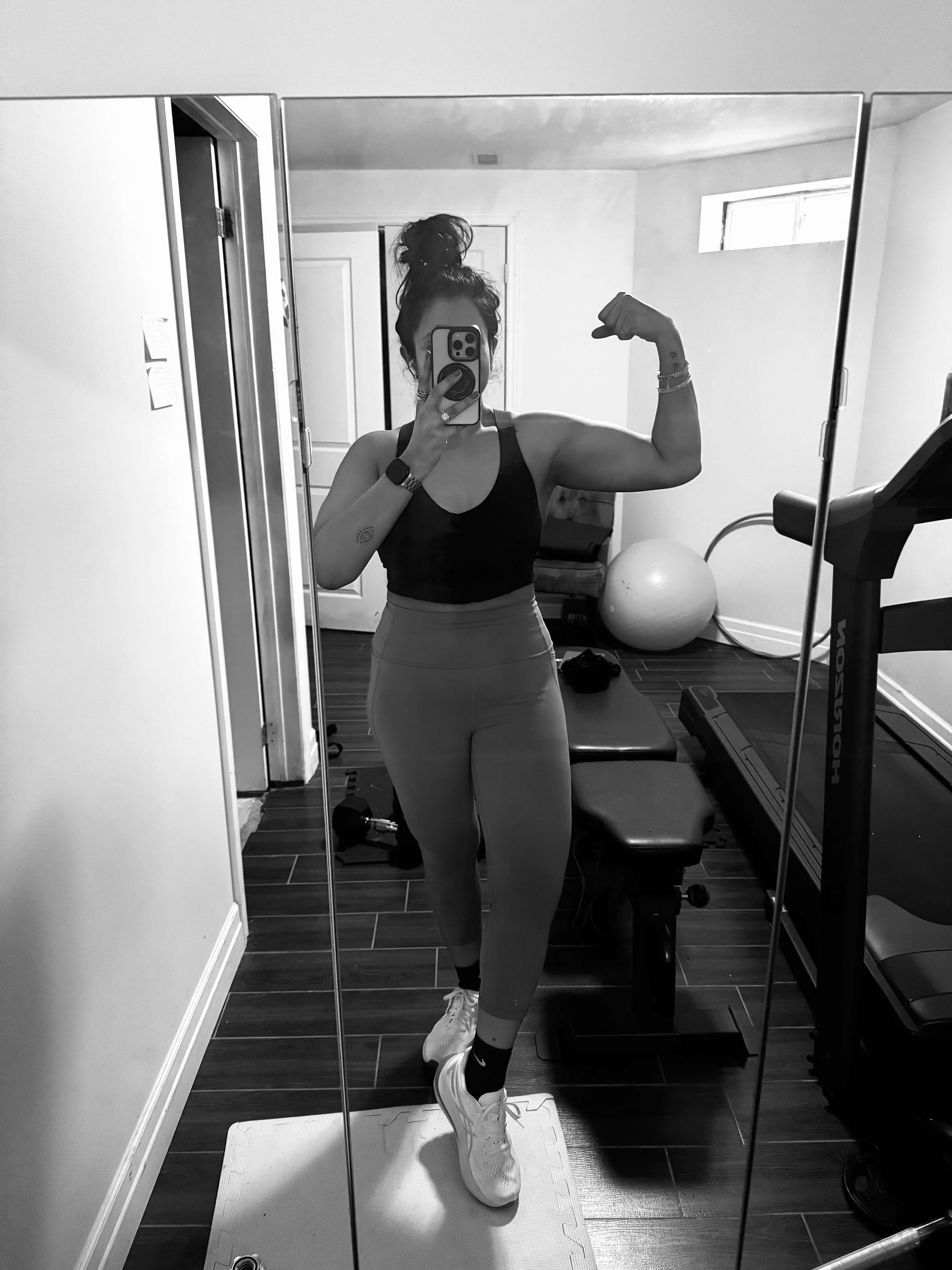
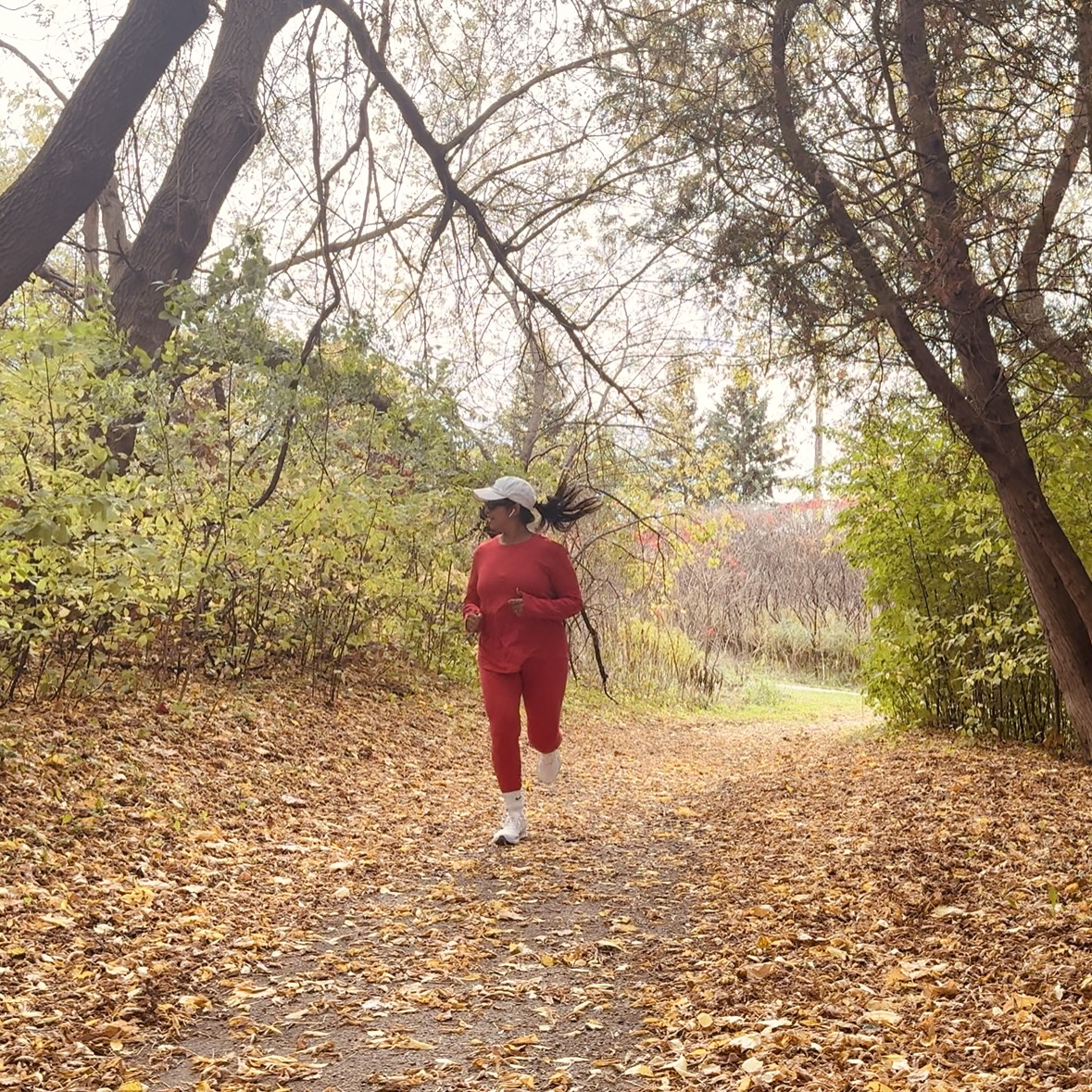
A few years ago, I discovered the magic of the weekly workout split! It is both the freedom and discipline that I need in my life.
GymShark defines a workout split as a way to plan out your strength training workouts to make them more effective, enjoyable and time-efficient. It also helps you track progress (week over week), so you can take on more complex workouts or sets.
In 2018, I used the BBG program (well technically… just the workouts set up by day/week that I printed and put in a duotang after finding them on pinterest, wow sounds so bootleg) to bounce back* during my mat leave. (*there is no such thing as a “bounce back”, woman’s body is beautiful and self restorative, but I believe the bounce back was important for my mind).
I found that organizing workouts took the stress out of thinking about the exercise routines, but still offering me the flexibility to move workout days around or inserting active rest days as needed.
Although I haven’t done BBG in years, I still use the workout split concept to take the guess work out of my exercise routine. Sharing my current split below, hopefully this provides you some inspiration or something you can try yourself!
Monday: Run + Arms
Tuesday: Run
Wednesday: Lower body + Walk
Thursday: Reformer Pilates + Walk
Friday: Full body + Run
Saturday: Make up any missed workouts
Sunday: Make up missed Reformer Pilates
Along with meeting my step count goals, I also add mobility to every workout day (except pilates) and core and hip strength to 4 and 2 of my workout days respectively!
Oxford Online Dictionary* defines a Renaissance Woman “as a woman with many talents”.
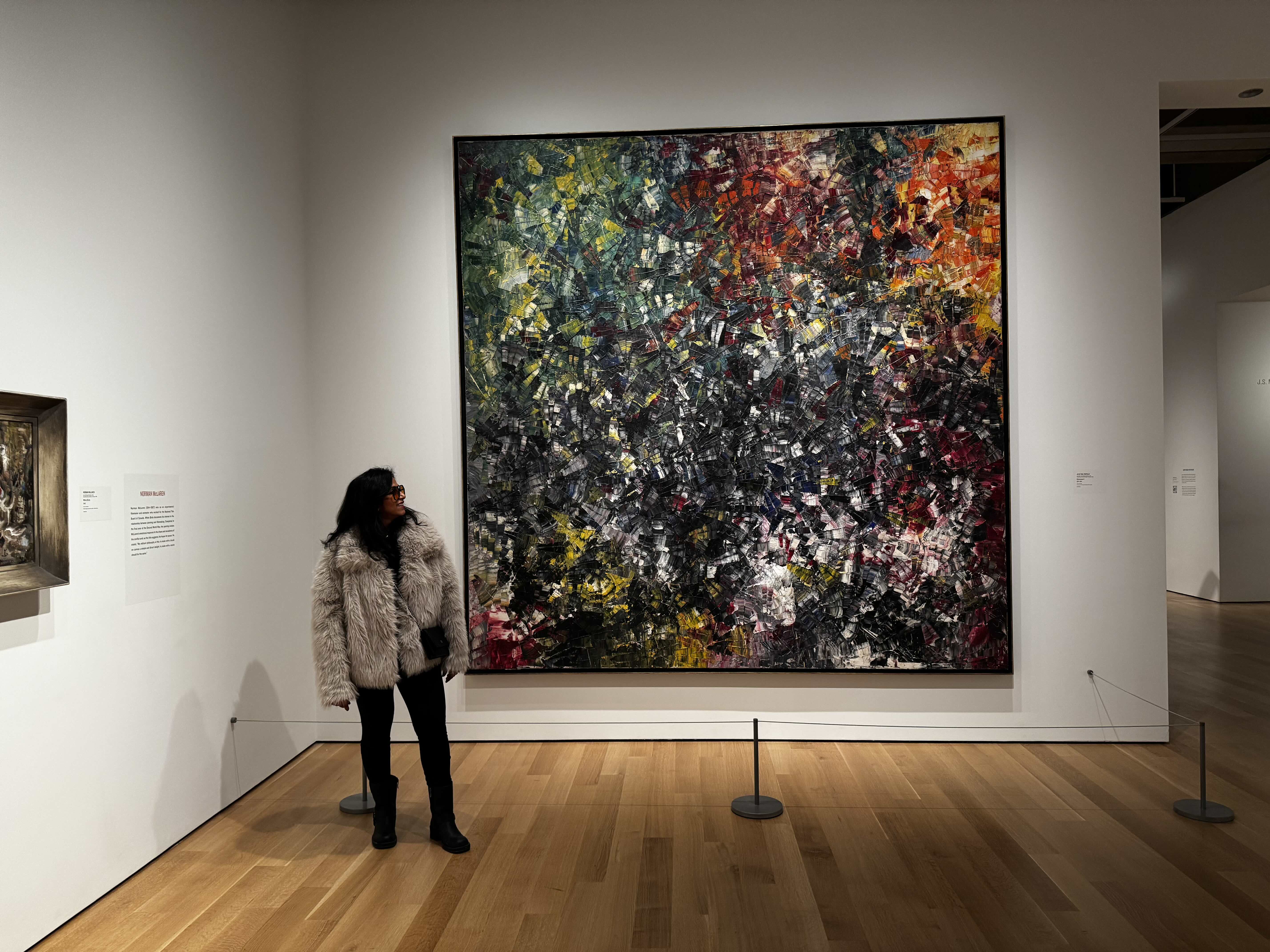
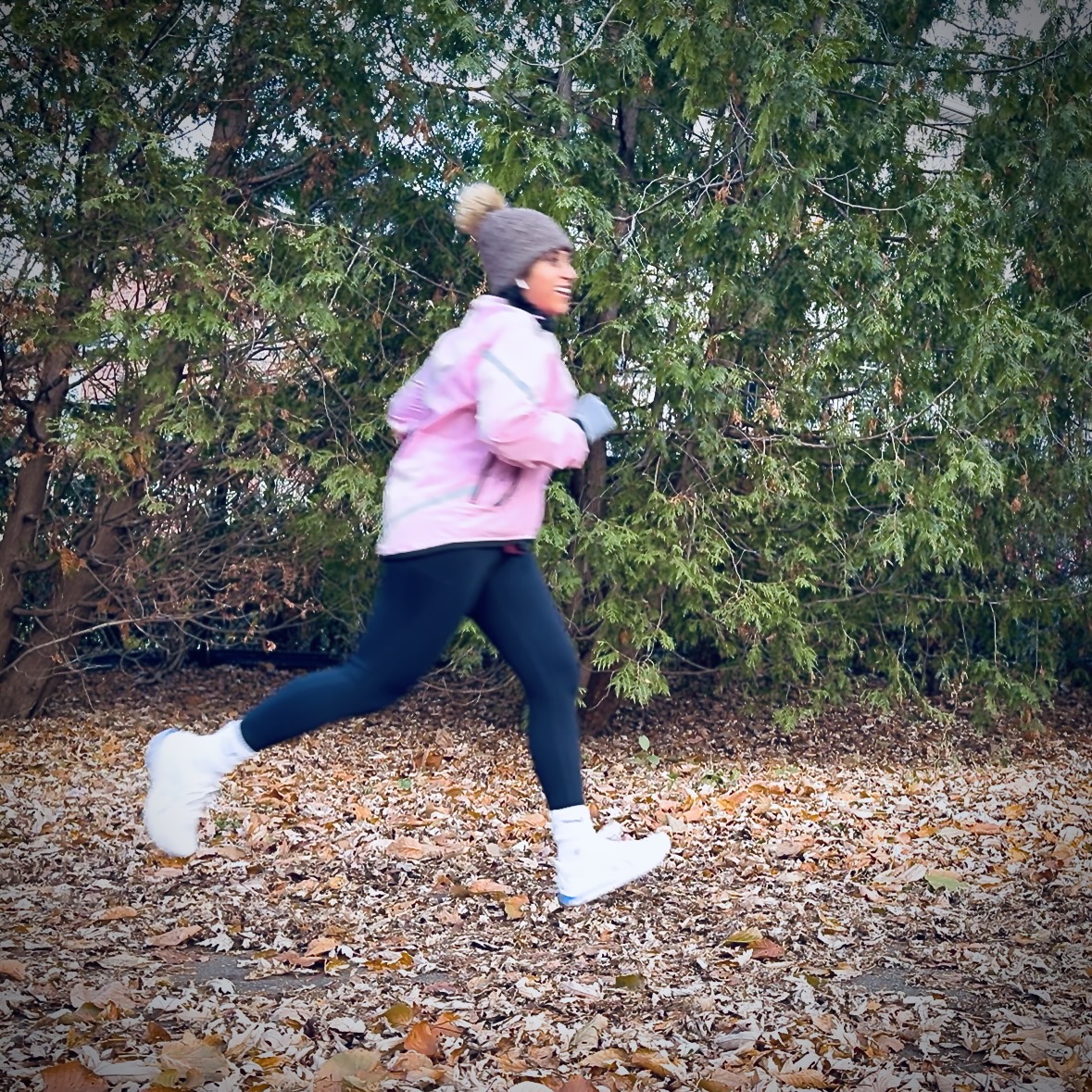
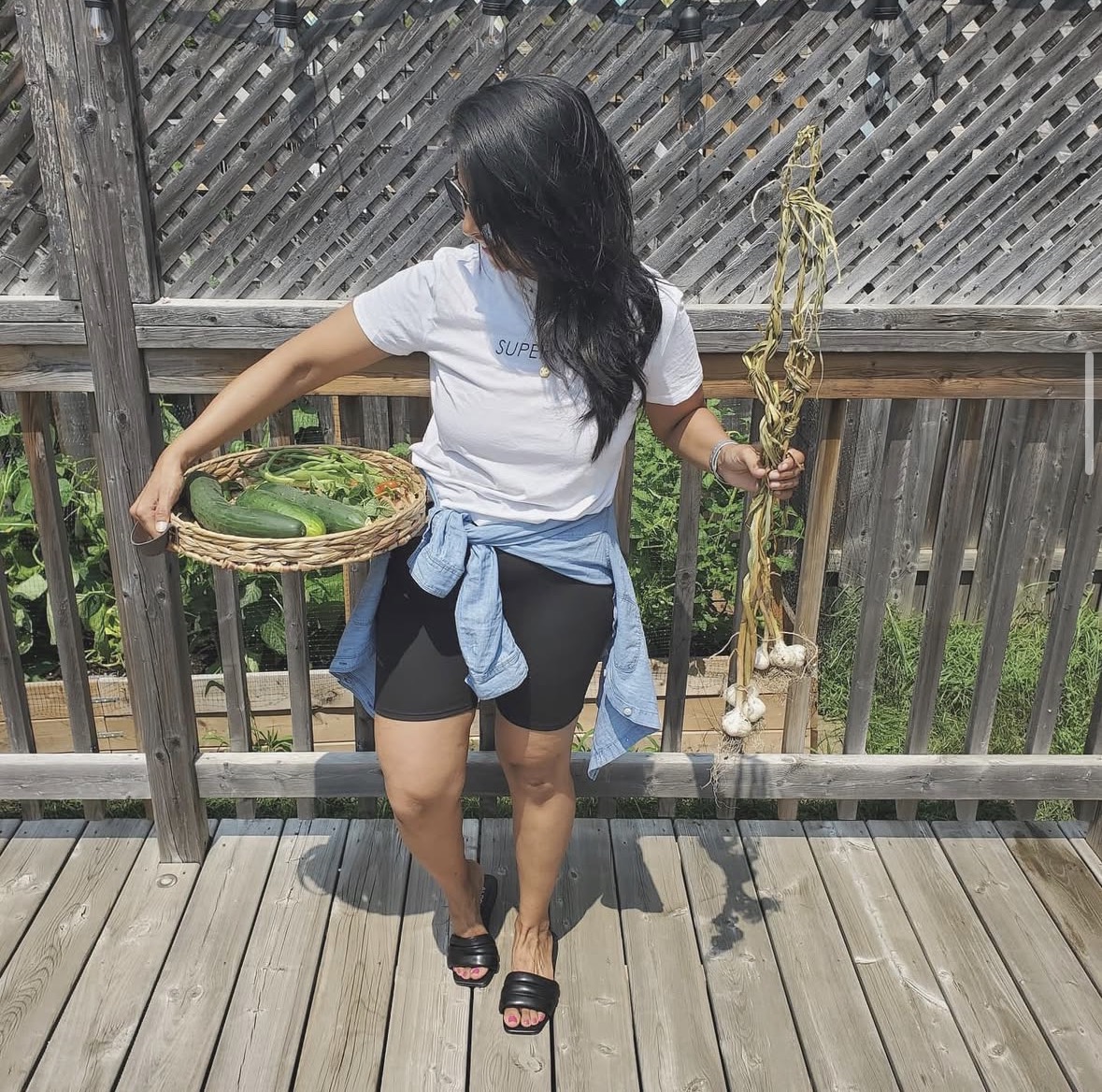
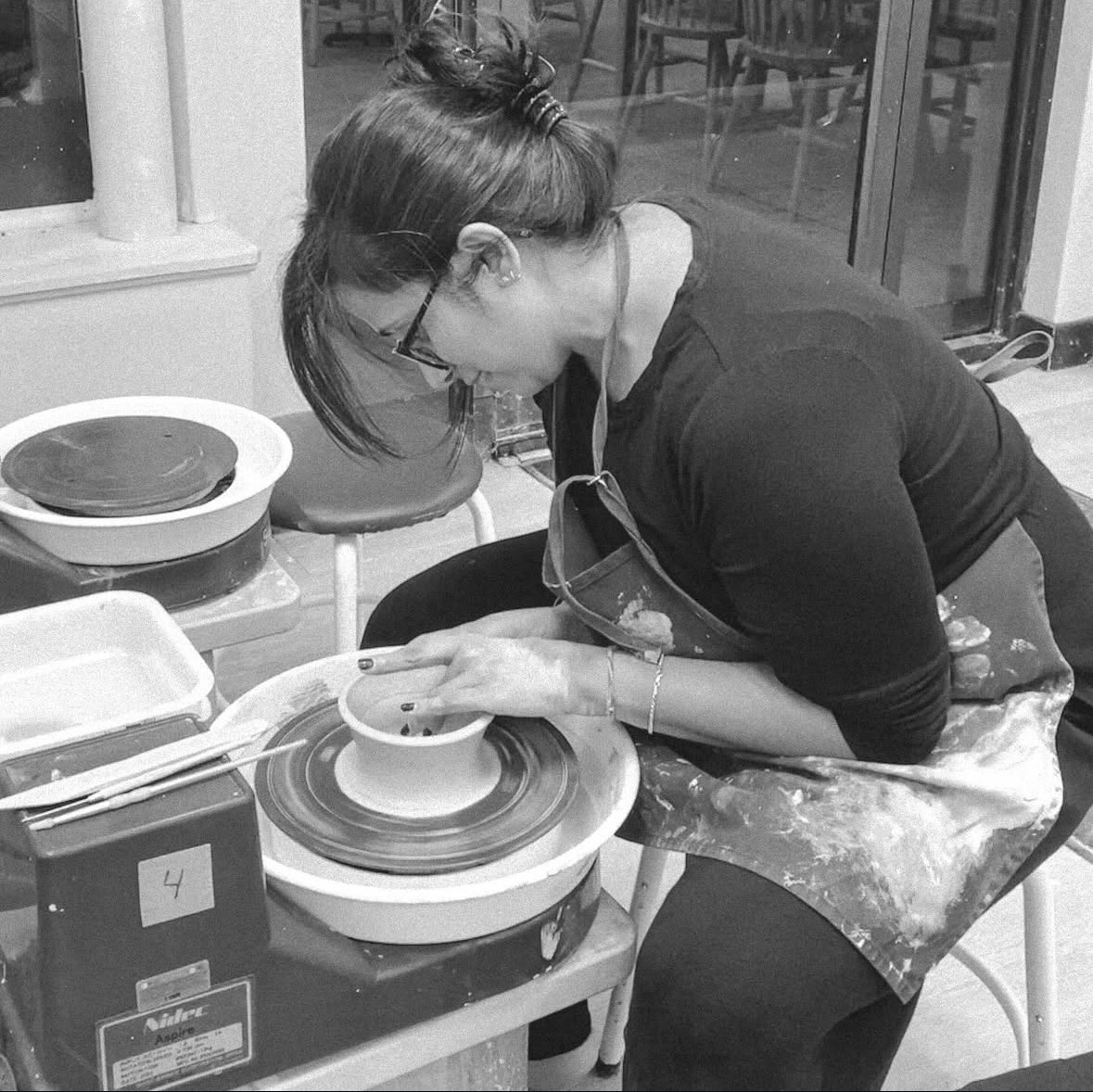
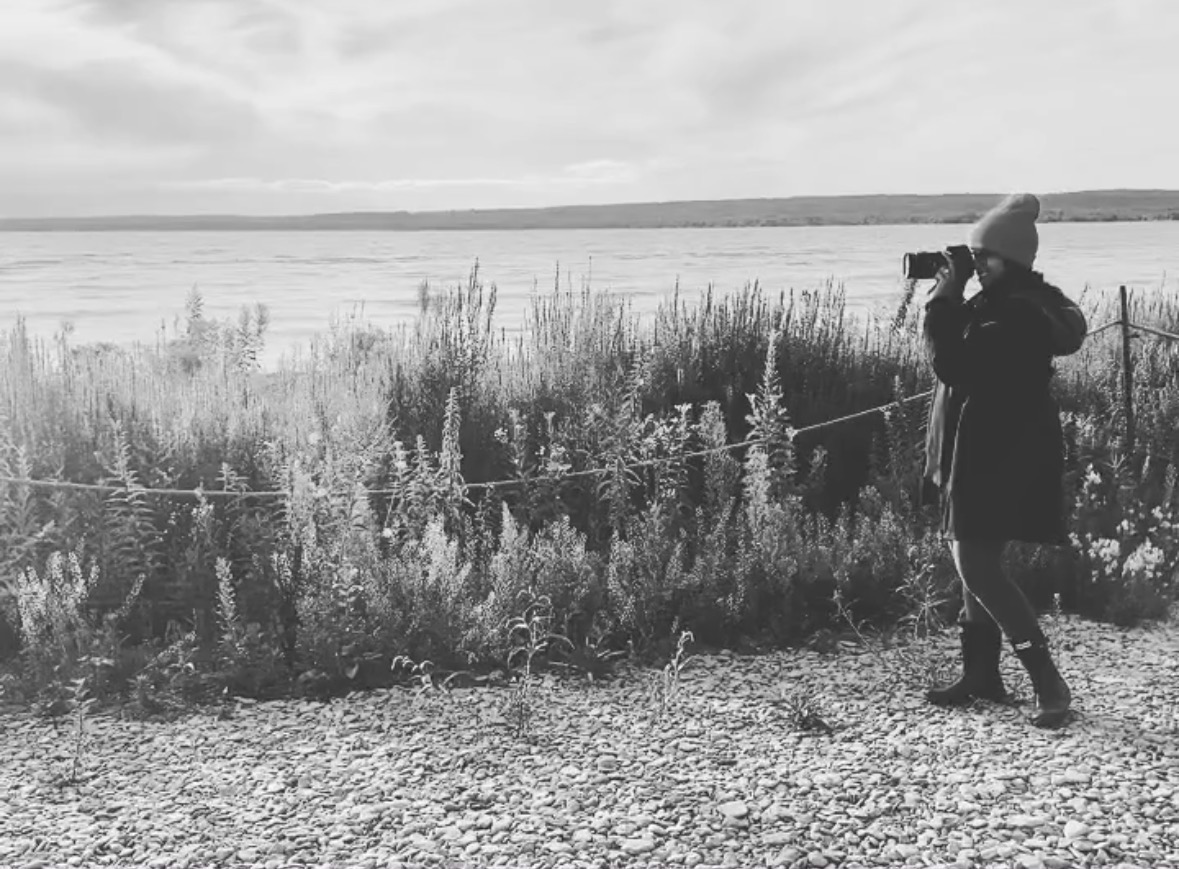
Art EnthusiastRunnerGardener
And Britannica.com describes the Renaissance period to have been characterized by a surge of interest in learning, exploration, science (like the realization that the Earth revolved around the Sun) classical wisdom and arts.
And the arts really took center stage during the Renaissance due to the convergence of humanism and economic conditions that supported and encourage the progress of making art.
Something about Renaissance really speaks to me. I think its the “being able to enjoy one’s many interests” that I want to embody. As generalist, in a professional setting and a multi-passionate in my personal life, I inherently gravitate to the idea of enjoying as many hobbies & passions as possible.
That can be curse and a blessing. A blessing because you get to pursue everything that you feel is beautiful in life, a curse because you may never feel fulfilled.
So here are a few tips that I use to continue to balance all of my interests (be a modern Renaissance Woman if you will) while actually being present in my life!
Screenshot
Make a list of all of your interests, Blue sky thinking is the key here, then prioritize ruthlessly. Figure out what you actually want to do sooner rather than later. Keep this list hand
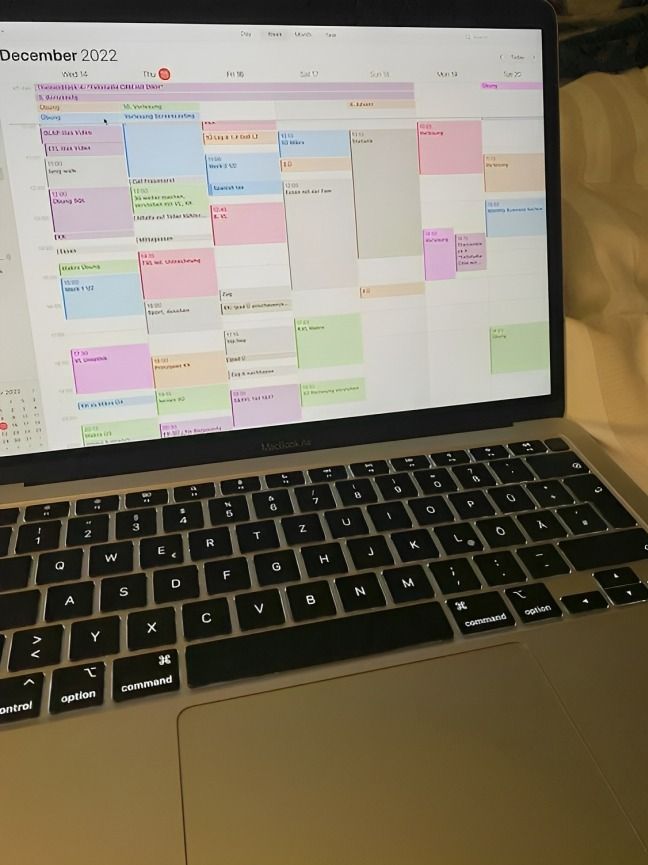
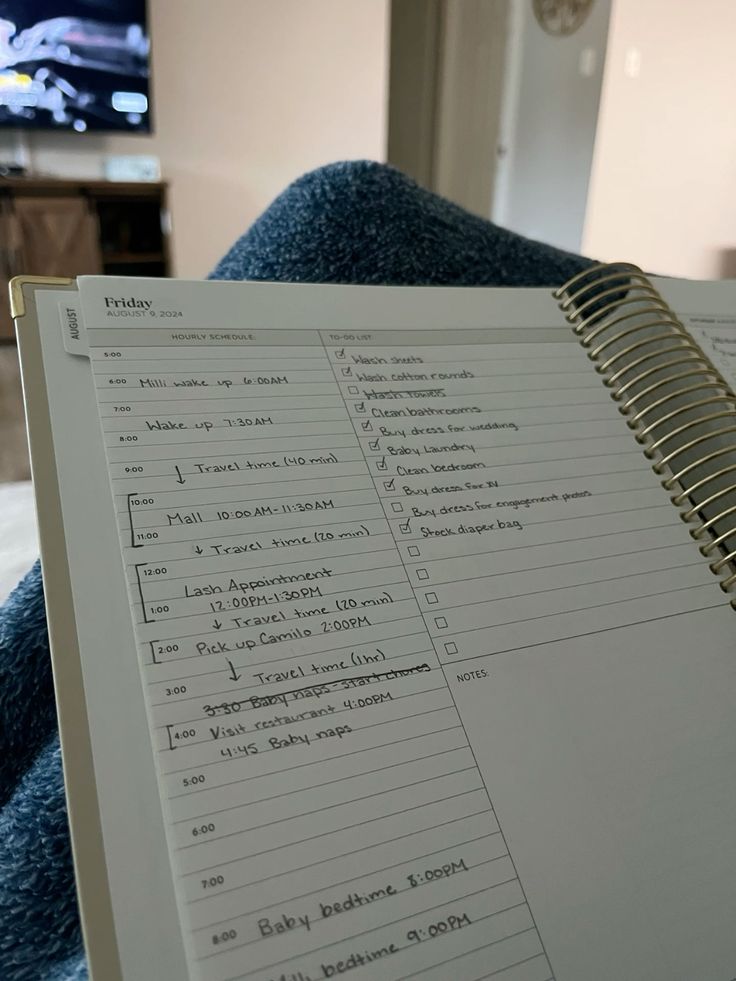
Taking your highest priority interests and schedule them as activities (in your Google calendar, planner, outlook etc) during the week/month/year or seasons. This way, you can prioritize your high value activities, create repetition – which in turn improves progress towards your interest. Actually scheduling time and by finding small pockets in your calendar to pursue your interests can really show the balance and helps move things forward. As an example, I have specific times of the week that I will work on blog content, go to pilates or use my duolingo app to learn a language.
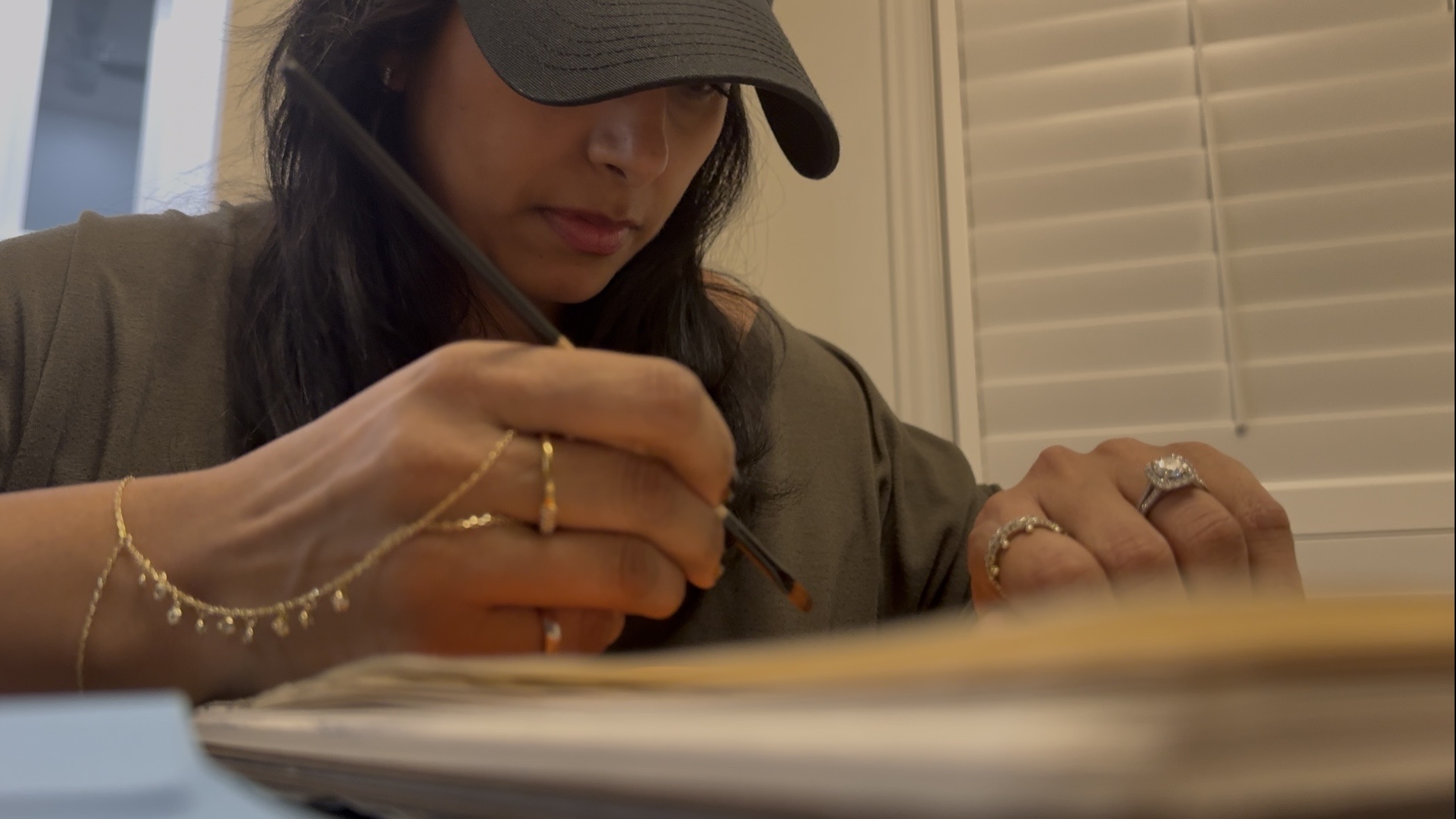
Make some interests a habit, I used a Habit tracker app to track that I make time to paint 3 times a week, do my skin care daily and even read 10 pages.
Of the un-prioritized interests, be ready to defer to the future! This means some interests may not be pursued in the coming month or other timeframe you are expecting. This is a character building choice, which although allows time for obligatory activities or responsibilities, and helps you learn to give yourself grace.
If a particular obligation or responsibility cannot be avoided – master it! (e.g. cooking or doing activities in your business/career that you don’t particularly appreciate or enjoy). For me, that’s cleaning – but knowing how to clean (instead of outsourcing it or ignoring the cleaning) is important for my kids to see what an all rounded woman is.
Do not allow yourself to become creatively jealous. With short form content all around us, this will require you to have discipline not to doom scroll YouTube shorts or Instagram reels). Remember what you see here is just a highlight reel and what may seem like a quick victory is actually years of mastery. Instead focus on your own goals and interests, and if you do want to watch the content – be inspired by it!
Happy New Year! I had a restful and refreshing few days and now I’m stoked to get back to routine. I definitely love being able to enjoy the holidays with friends and family, doing festive activities and enjoying all the food and drink. But I’d be lying if I said I didn’t crave my regular schedule! So, to get me get back on the right trajectory and help set me up for 2026 (aka making my big dreams happen) – I’m starting a new series on my blog called “Embodying my BEST SELF” a quick no fuss guide to help me (or anyone actually) get back to good habits, productivity and taking action towards on my goals. So let’s get into it!
Chasing your dreams, embodying the energy of your future self or just down right being productive can cause the best of us to get into a slump.
The first steps in getting out of a slump is realizing that you are in a slump. But a close second is realizing that the slump is usually based on your emotions/feelings based on your surroundings.
Image from PinterestImage from Pinterest
Your surroundings can be inclusive of your actual physical surroundings (think your house, your office space) but also your mental surroundings (like the type of people you are around, the content your are consuming or even how you are spending your time).
In any case, I like to think of a slump as the “valley” of our journey to our best self. And learning how to bounce back is just an opportunity to practice resiliency! Here are my top ways to bounce back from a slump.
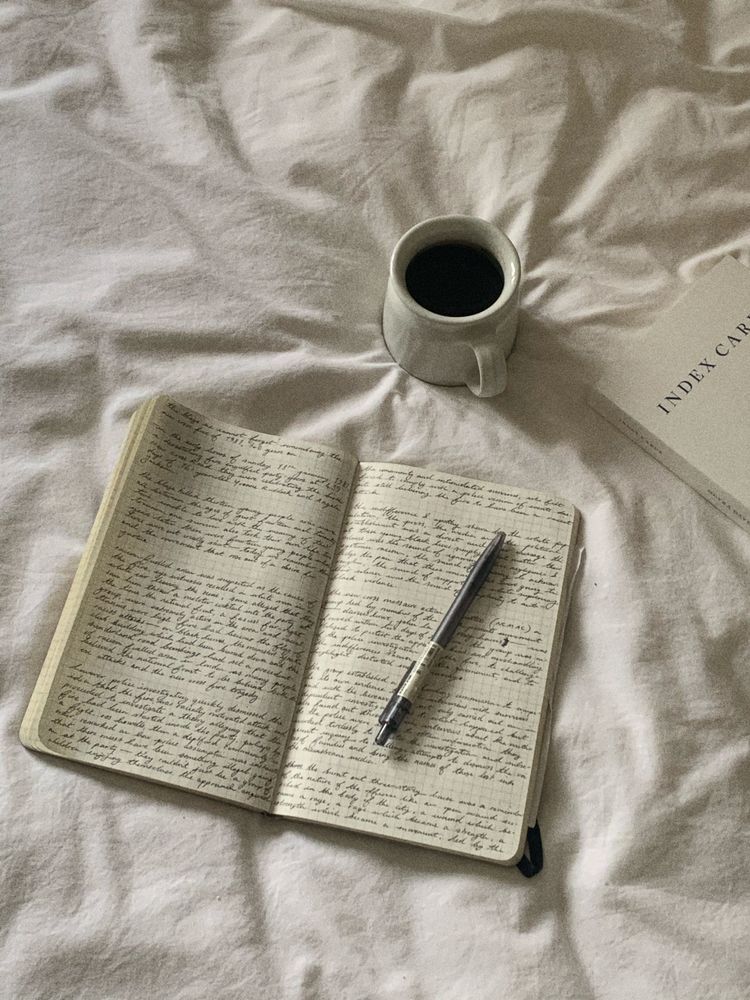
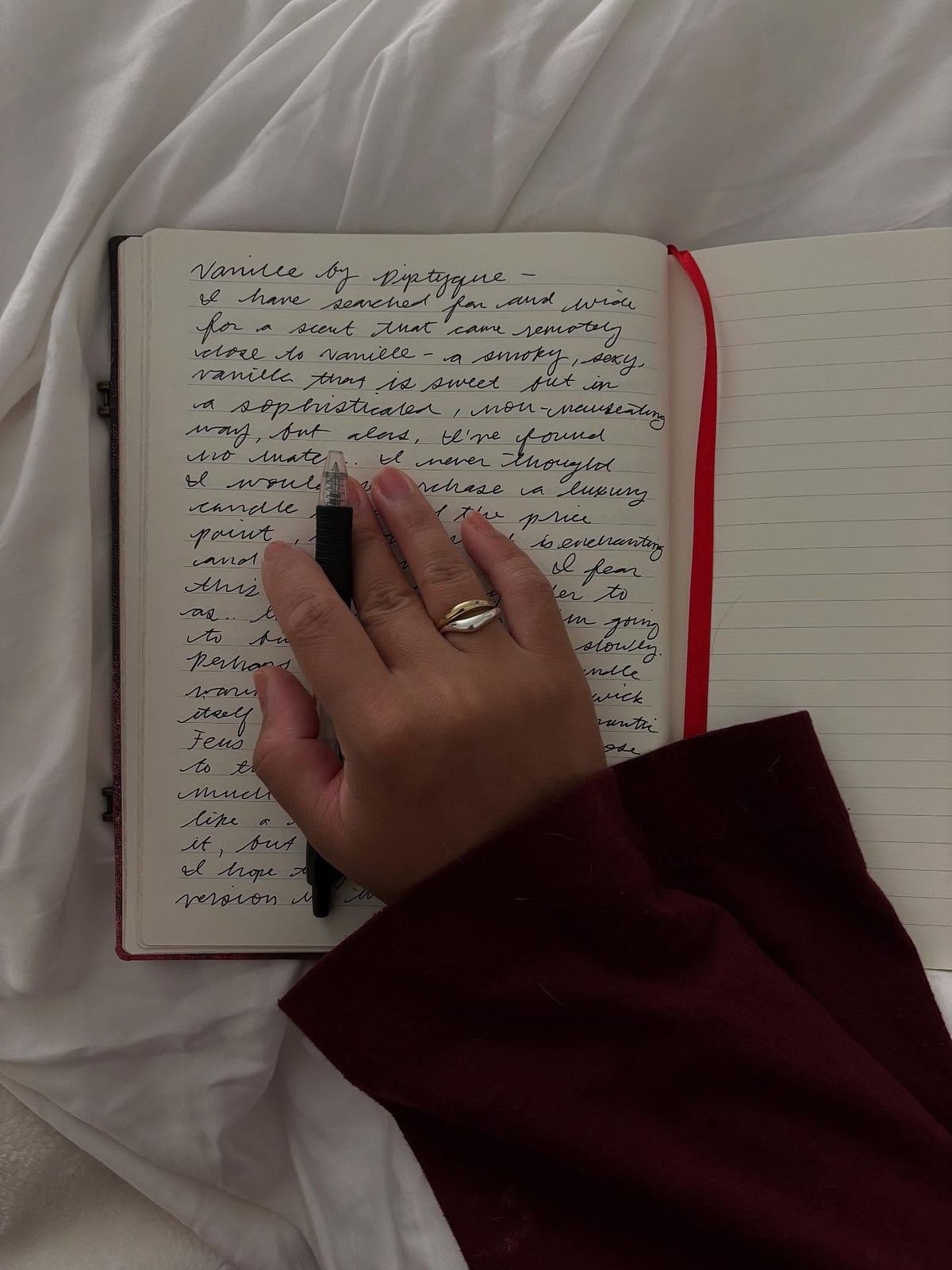
Journal: I have been and will aways be a champion of journaling. Kidlin’s Law states: If you can write down a problem clearly, you’ve already solved half of it. So writing your thoughts, emotions and feelings down when you feel like you are in a slump, can help you further identify the slump inducing activities or factors. (The preference here being actually using a pen and paper as a oppose to typing it on a computer or your phone). Some ways that I love to journal: Brain dump (which is really just writing EVERY THOUGHT in your head on paper), create a list of things I want to do/a list of things I want to accomplish, things you are thankful for in spite of being in a slump, write all the ideas you have or even a dear diary on the last couple of days/weeks/months.
Image from PinterestImage from Pinterest
Fix your environment: As mentioned above – the environment you are in can really have an effect on our feelings. So tidying up, organizing and clearing space is the first way to boost your mood and will also give you a sense of control. (Which is important when you feel like everything is spiralling). For me a deep clean up and organizing of my desk helps to make me to feel less out of sorts. But if you are short on time, may be consider setting a timer and picking up your room or a particular room in your house. And where possible, I would even extend this to tiding your digital spaces. For me that looks like cleaning up my following list on socials, archiving boards on Pinterest or organizing and deleting pictures on my phone.
Sort your task list: Hopefully, with #1, you have a list of things you want to do (but if not thats in place… you should definitely start there). The important part is to prioritize that list: It’s either “must do now, should do soon, schedule for later” or my personal favourite “things I can do” vs “things I can’t”. Then take the highest priority items (such as: what must be done now or things I can do) and decide what can be done in a short time frame, preferably a 5-15 min time block. Then get it done! The whole point is to take action on the list in a meaningful way. To illustrate this with an example, say you want to practice writing more, a 5 min time blocked activity to take action on this is write a list of milestones you want to work towards (e.g. create content online, start blogging or do restaurant reviews).
Create an updated routine: You must have heard the saying “a goal without a plan is just a wish” by Antoine de Saint-Exupery! I mean I love wishing, but I also love the dopamine effect of getting stuff done! It could be small wins or big calendar switches in your routine. So continuing with the goal of “writing more content online”. That’s a great start, but adding a little more thought behind it can really move it from a wish to an actionable plan. Something I’ve started doing is being ruthless with my calendar. I am getting to the point where if something isn’t in my calendar – it’s not getting done!! (Well within reason, I’m not a robot). But here is an easy to follow example on how to use this process: So think of 3-5 activities that you can schedule into your calendar this week or month that can help you achieve it. So with the goal of writing content online you could plan in your calendar: open a substack or medium account, create a back list of content ideas for the month, publish an article once a week. Then you would add time blocks in your calendar to help you stay on track.
Image from PinterestImage from Pinterest
Monday could include a 45 min time block to open an account and set up your profile.
Tuesday you could spend 1 hour writing
Wednesday you could block some time to finish writing and then edit
Thursday you could create imagery (or use some Pinterest) to add visuals to your written content
Friday you could publish!
Saturday you could create a backlog of 3-4 more posts
Sunday you could plan your week again
And there you have it! 4 actionable steps to help you get out of a slump! Hoping this resonates! Do you have any tried and true ways to get out of a slump! I would love to hear it :)
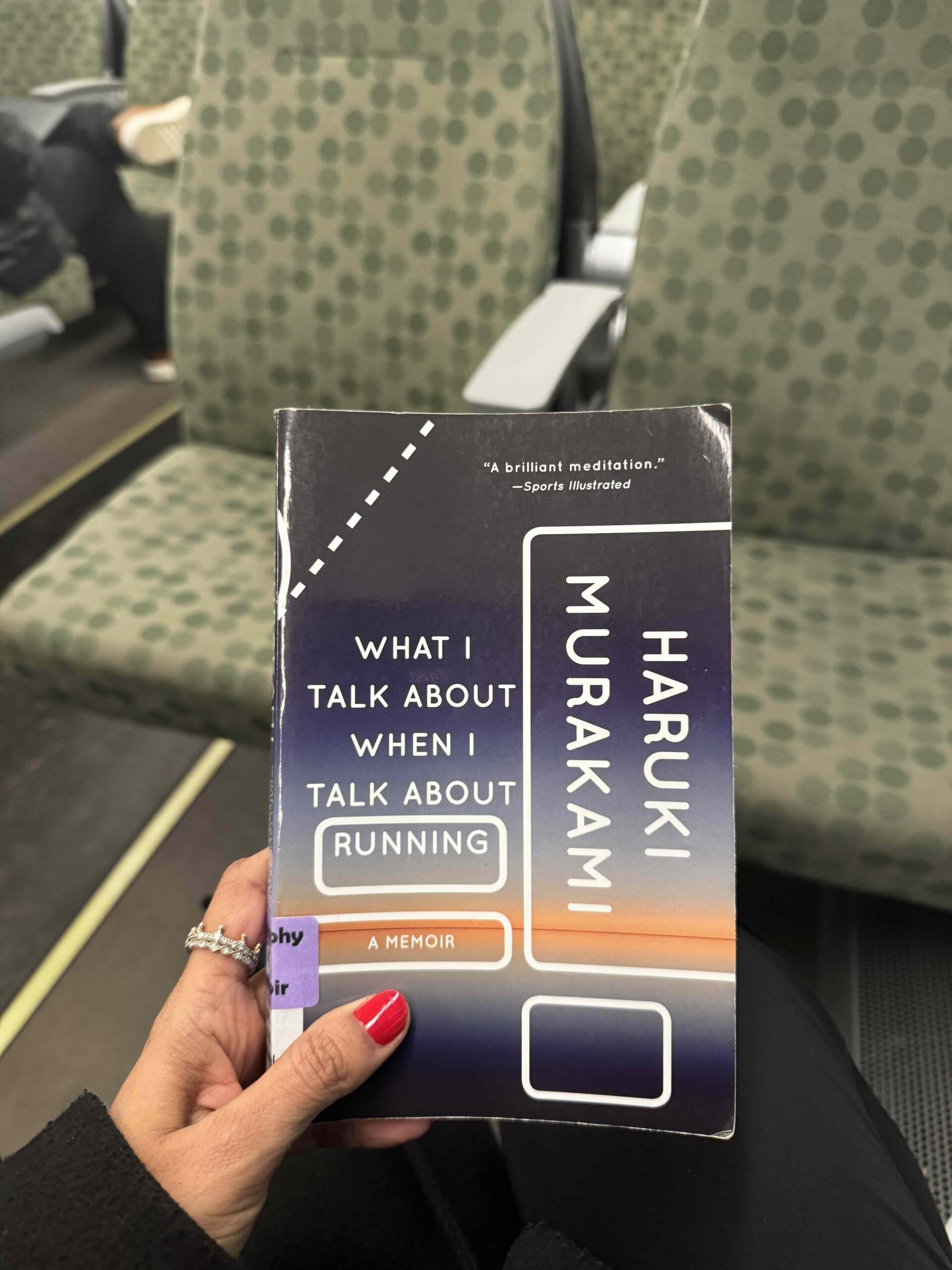
I recently read “What I talk about when I talk about running” by Haruki Murakami. If you are runner, I’m sure you’ve stumbled upon this as a book to add to your TBR. I found it beautiful! Haruki Murakami’s stoic sharing of running as an act of meditation, resiliency and goal setting completely resonated with me. And because he took those themes and applied them to being an artist (him being a writer) was the icing on the cake for me.
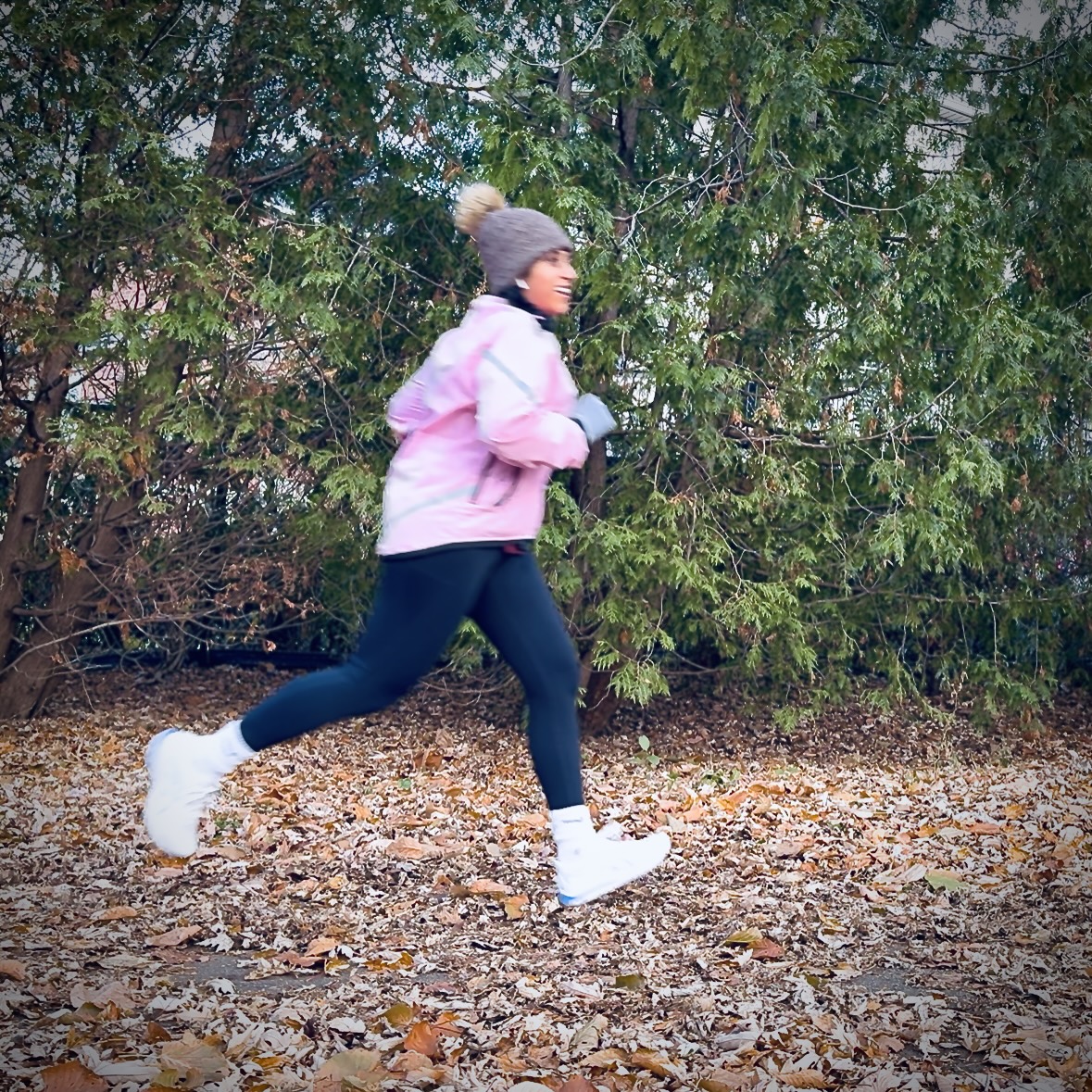
The book is a very easy read and can be easily finished in a day. For me, books really come alive when they have ah-ha moments – really good quotable parts of the text that make me stop and write down what I read. Here are a few of those moments (and moments of me running as well!)
Commute & Read (Library Books as much as possible)
The most important thing we learn at school is the fact that the most important things can’t be learned at school.
I’m the kind of person who likes to be by himself. To put a finer point on it, I’m the type of person who doesn’t find it painful to be alone. I find spending an hour or two every day running alone, not speaking to anyone, as well as four or five hours alone at my desk, to be neither difficult nor boring. I’ve had this tendency ever since I was young, when, given a choice, I much preferred reading books on my own or concentrating on listening to music over being with someone else. I could always think of things to do by myself.
Say you’re running and you think, ‘Man, this hurts, I can’t take it anymore. The ‘hurt’ part is an unavoidable reality, but whether or not you can stand anymore is up to the runner himself.
People sometimes sneer at those who run every day, claiming they’ll go to any length to live longer. But I don’t think that’s the reason most people run. Most runners run not because they want to live longer, but because they want to live life to the fullest. If you’re going to while away the years, it’s far better to live them with clear goals and fully alive than in a fog, and I believe running helps you do that. Exerting yourself to the fullest within your individual limits: that’s the essence of running, and a metaphor for life.
Sometimes taking time is actually a shortcut.
Being active every day makes it easier to hear that inner voice.
I just run. I run in void. Or maybe I should put it the other way: I run in order to acquire a void
A few weeks ago I celebrated my birthday and realized that it’s been a while since I’ve done a birthday post! (ok almost 10 years ago)
So in celebration of my 43rd birthday, here are 43 lessons that have provided me with guidance, disciplined my days and provided motivation when I needed it most <3
Energy is everything
Everything is multiplied by gratitude
Know that it will turn out better than expected
Your mindset is the gateway to every transformation
People aren’t thinking about you, they are thinking about themselves
You are free to reinvent yourself at anytime
Friendships change. Nurture the ones that feel like growth and remember not everyone grows with you
Stop relying on external validation
Laugh more
Your standards above everything (decide your future and teach others how to treat you)
When you feel lost, ask yourself “what would my most abundant/higher self/happiest self be doing”
Protect your piece (because if it costs you your peace, its too expensive)
When others judge, it’s based on their own lived experiences and biases
Healing is a journey (it isnt pretty and it doesnt mean you won’t be triggerd – because you will be, but it’s worth it every time you act from a place of self awareness and compassion for yourself and those who may trigger you)
Trust your intiution
If you aren’t willing to risk the unusual, you’ll have to settle for the ordinary
Find a spiritual practice that works for you
Don’t expect from others what you can’t do for yourself first
Clean up what you consume (offline, online, people, experiences, drama – becomes who you are)
Stop watching mainstream news
Confidence is actions first, feelings later
Travel to learn more about the world and yourself
Everything in moderation, including moderation
Embody your feminine power
Train your inner dialogue (Mirror self talk is the best way to start your morning, you can still be humble and hype yourself up)
Embarrassment is the ticket to evolution
Let your be mentored by your highest self
Put yourself out there
The life you love will look very different than what you thought
Celebrate your own damn self (buy yourself the flowers, always have chilled champagne in the fridge, give yourself the 5 love langugaes)
You don’t get what you want, you get what you are
People will behave from the level on consiousness they are at
Keeping promises to yourself is the first step in building confidence
Every situation is an opportunity for growth
Ego is loud, confidence is silent
Compliment yourself daily (Dress confidently, the world benefits when you show up as your boldest self)
Upgrade your self worth (You get what you believe you deserve)
You get what you identify with not what you desire (self concept over everything)
If you want better friendships, be a better friend to yourself – the right people will feel like peace, not performance
feelings of shame keep you focused on your identity, accountability keeps your fixed on what you do
take yourself out on solo dates
It’s not about being busy, but doing the work that aligns with YOUR goals
Detach from outcomes, fall in love with the journey instead
About a year ago, we got the Nintendo Switch and I’ve been obsessed! And not with Just Dance, Definitely not with Mario Cart…but actually with Animal Crossing. Animal Crossing is a cute sims game and offers the most relaxing and chill game environment ever. If you look up this game on reddit, you’ll read things like “relaxing”, “de-stressing” or “cozy-gaming”.
So after many months of playing this sims game it’s become apparent to me that video games are like life. And what an interesting concept (read: philosophy) to consider. Because if games can be won, that means life can be won to!
Now you don’t have to be a gamer, but this should resonate with everyone… Below I’m sharing 5 tips on how to win in the game of life!
Tip # 1: You can choose your avatar
Before you start any game, you get to select who you want to be, what you want to look like, where they live, what tools they have and how they will represent you in the game. Life is no different. Every day you wake up, you can create your avatar. You can choose how you want to dress (so you align with your goals, convey a message and be your ideal self), what you’ll do (your goals, aspirations similar to the “dailies” in a sims game) and how you’ll speak or behave (so you can express yourself in a confident, happy or way that radiates the energy you want to portray). All of this is to say, you have complete control over yourself and how you show up. You can decide one day you want to change things up, go after new goals or refocus/re-heal for your own betterment.
via Pinterest
Tip # 2: The rules can change at any time
Just like a video game, life has it own experiences, norms and goals. Characters can build habits and patterns. But things can change at any time (whether thats the game or your character). In video games, we’ve seen a new character appear, a new challenge can present itself or you can lose the round. But once the game restarts, you are back up to where you left off. The same is true for life. Our brains have the ability to create new neural networks based on our choices to learn and improve. If yesterday didn’t go as planned, you still have the knowledge and experience to do better today. When a new day starts, it’s an opportunity to step outside of your comfort zone. Which in a way is “unlocking” a new level of you (or your character *wink*). You get to make better decisions, try new routines and approaches to win the round, achieve your goals and magnetize the reality you want.
via Pinterest
Tip # 3: Choose your own adventure
In a game, we seek new challenges, experiences and quests. Life should be the same. We should dedicate our real life to the pursuit of goals, creating new value and levelling up. Don’t get me wrong – we do not need to make major changes overnight, but small incremental upgrades or tweeks to how live our life (ie play the game) can make big changes in the long run. All this to say that we can reinvent who we are and what we want to do at anytime. And the stories that we told ourselves yesterday do not have to guide who we are tomorrow.
via Pinterest
Tip # 4: Every moment is one to watch?
As a gamer you are the creator and the consumer of your avatars life. It’s is joyful to experience but also interesting to see. Life should be the same. Every moment should be magical and romanticized so you realize you “get to do all these things” instead of “have to”. In some video games you can take screenshots or even avatar perspective photos. The same should be happening in your real life. Capture and document everything. Whether it’s a time lapse of you working, a collage of you on vacation or a quick shot of your fav morning beverage – why not make it a moment to remember!
via Pinterest
Tip #5: You have to be present
In our current world, multi tasking has become the norm. Cooking dinner while watching a show. Going for a run while listening to a podcast. Eating while reading a good. And for sure some habit stacking routines are beneficial, but there needs to be a case for being present. In a video game, you cannot use both your hands on a joy-con/joy-stick and text your friend. You cannot pay attention to your next move in the game while doing your nails. And you most definitely wouldn’t play a game if you were driving. Your thoughts have to be focused on the task at hand, whether that’s jumping to avoid an obstacle or smashing bricks to destroy a villian. Even more so, in life staying in the present by focusing your thoughts on the current moment is key to creating your reality. By staying in the present moment and focusing on the now (instead of the past or future) we are essentially being observers in our own reality (think: the wave / particle experience, yourself being the observer). We have the opportunity to shape outcome and create our destiny just by being fully present.